You Won’t Believe This Hidden Food Scene in Agadir
Agadir isn’t just sun and sand—its real magic hides in the bustling backstreets where locals eat. I stumbled on spice-scented alleys, family-run stalls, and flavors you won’t find in guidebooks. This is Moroccan food culture at its most authentic. Forget tourist traps; let me take you where the real feasts happen—unexpected, delicious, and totally unforgettable.
Beyond the Beach: Discovering Agadir’s Culinary Soul
When most travelers think of Agadir, they picture golden beaches, luxury resorts, and endless stretches of Atlantic coastline. While these attractions are undeniably appealing, they only tell half the story. Beneath the polished surface of this popular Moroccan getaway lies a vibrant, overlooked food culture that pulses through narrow alleyways, neighborhood markets, and open-air grills. For years, Agadir has lived in the shadow of cities like Marrakech and Fez when it comes to culinary reputation. Yet, those willing to look beyond the postcard-perfect façade discover a city where food is not just sustenance but a daily celebration of heritage, community, and flavor.
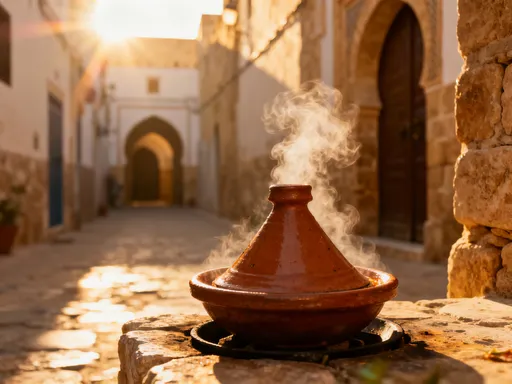
The shift from resort dining to authentic local eating transforms a vacation into a cultural immersion. Tourist-oriented restaurants often serve standardized versions of Moroccan classics—tagine, couscous, harira—prepared with familiar palates in mind. But venture into residential neighborhoods like Hay Riad or Tikiouine, and the menu changes dramatically. Here, food is cooked with generational knowledge, using regional ingredients and time-honored techniques passed down through families. The difference isn’t just in taste; it’s in intention. Meals are made to nourish, connect, and express identity, not to impress visitors.
One of the most rewarding shifts a traveler can make is moving from spectator to participant. Instead of watching Morocco from a distance, you begin to live within it. Eating where locals eat—on low stools beside sizzling grills, at wooden counters in dimly lit stalls—creates moments of genuine human connection. These experiences don’t come with menus in five languages or Instagrammable plating. They come with smiles, shared bread, and the unspoken understanding that you’ve been welcomed into something real.
The Heartbeat of Flavor: Souk El Had and Local Markets
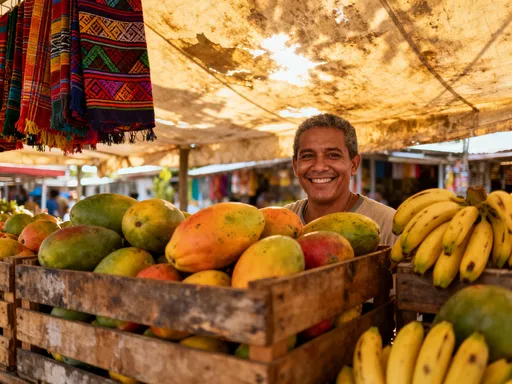
If Agadir has a culinary heartbeat, it beats strongest in Souk El Had, the city’s sprawling weekly market that takes over several blocks every Sunday. More than just a place to shop, this market is a living archive of regional food traditions. As dawn breaks, vendors unfold brightly colored tarps, arrange pyramids of fresh produce, and lay out baskets of spices whose aromas swirl together in the morning air. Saffron, cumin, paprika, and ras el hanout create a fragrance so rich it feels like walking into a centuries-old recipe.
What makes Souk El Had exceptional is its authenticity. Unlike tourist-focused souks in other Moroccan cities, this market serves the daily needs of local families. You’ll find sun-dried tomatoes split open like petals, mounds of preserved lemons glowing like amber, and jars of argan oil—Morocco’s liquid gold—displayed with pride. Vendors from the surrounding Souss Valley bring figs, dates, and almonds, while fishermen’s families sell dried sardines and salt-cured octopus. Every item tells a story of land, labor, and tradition.
Navigating the market like a local requires patience and presence. Bargaining is expected, but it’s not aggressive—it’s a ritual of mutual respect. Start by smiling and asking the price, then offer slightly less while showing genuine interest in the product. The best time to visit is early morning, between 7 and 9 a.m., when the air is cool and the freshest items are still available. Bring small bills, a reusable bag, and an open mind. And don’t be afraid to accept an invitation for tea—many vendors keep a thermos nearby and enjoy sharing a moment with curious visitors.
Street Food Gems You’ve Never Heard Of
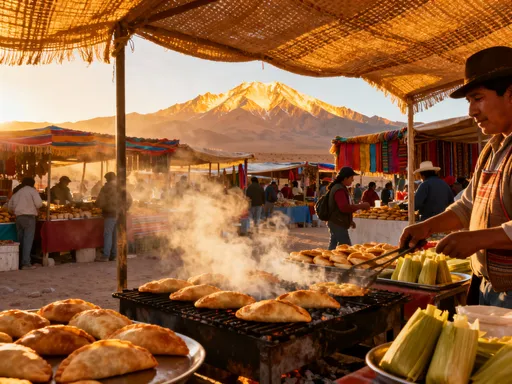
While tagine and couscous dominate international perceptions of Moroccan cuisine, the true soul of Agadir’s food scene thrives in its street snacks—humble, handheld, and deeply satisfying. These are the foods locals eat between errands, after work, or as a late-night treat. Among the most beloved is bessara, a warm fava bean purée topped with olive oil, cumin, and sometimes chili. Served in a paper cone with a wedge of fresh khobz (Moroccan bread), it’s often eaten standing up at a street cart, especially during cooler months.
Another hidden gem is maakouda, a spiced potato patty sandwiched between slices of soft bread. Though simple in composition, its flavor is anything but. The potatoes are mashed with onion, garlic, and herbs, then deep-fried until golden. Served with harissa or a smear of tomato paste, it’s a favorite among students and workers alike. Look for maakouda near medina entrances or outside bus stations, where vendors fry them to order in cast-iron pans.
For the more adventurous eater, mloukhia sandwiches offer a unique taste of North African tradition. Mloukhia is a green leafy vegetable, often cooked into a thick, slightly slimy stew and served with meat. But in Agadir, some street vendors serve it as a filling for sandwiches, combining the stew with grilled meat or fish. It’s an acquired taste for some, but those who embrace it often find it deeply comforting. When trying street food, hygiene is key. Choose stalls with high turnover, where food is cooked fresh and kept hot. Look for vendors who use gloves or tongs, and always carry hand sanitizer.
Home Kitchens and Secret Suppers
One of the most profound ways to experience Agadir’s food culture is by stepping into a local home. In recent years, informal dining experiences—often arranged through cultural exchange platforms or by word of mouth—have grown in popularity. These are not commercial restaurants but intimate gatherings hosted by families who open their doors to travelers seeking authenticity. Meals are prepared in home kitchens, often by matriarchs who have been cooking for decades, and served on low tables surrounded by cushions.
These gatherings are about more than food—they’re about connection. A typical evening might begin with mint tea poured from a height to create foam, followed by a progression of dishes: a fresh salad of tomatoes and oranges, a steaming tagine of lamb with prunes, and rounds of khobz to scoop up every last drop of sauce. Between courses, stories are shared—about family, festivals, and daily life in southern Morocco. Children might peek in from another room, elders offer blessings, and guests are treated as honored members of the household.
For many travelers, especially women in the 30–55 age range who value meaningful experiences over sightseeing checklists, these meals are the highlight of their trip. There’s a deep emotional resonance in being welcomed into someone’s home, in seeing how they live, eat, and love. It’s a reminder that hospitality is not a service but a tradition. And in a world where travel can sometimes feel transactional, these moments restore faith in human kindness.
Seafood Like No Other: From Boat to Table
As a coastal city with a strong fishing heritage, Agadir offers seafood that is as fresh as it gets. The fishing port, located just east of the main beach, is where the day’s catch comes ashore—sardines by the ton, silvery anchovies, squid still glistening, and occasionally, prized Atlantic lobster. By mid-morning, much of this bounty has made its way to markets, restaurants, and street grills along the corniche, the seaside promenade that stretches for miles.
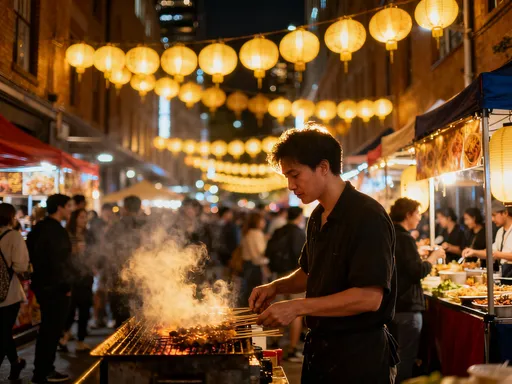
One of the most authentic ways to enjoy Agadir’s seafood is at one of the open-air grills that line the corniche, especially in the late afternoon and evening. Vendors stand beside charcoal braziers, turning skewers of fish over glowing coals. The most popular choice is sardines—small, oily, and rich in flavor—marinated in chermoula, a vibrant blend of cilantro, garlic, lemon, cumin, and paprika. The marinade penetrates the flesh, infusing it with brightness and depth, while the grilling adds a smoky char.
To spot the best grills, look for places with a steady stream of locals. A long queue is often the best indicator of quality. Avoid stalls that pre-cook their fish and keep it under heat lamps; instead, choose those that grill to order. Prices are usually reasonable—between 10 and 30 Moroccan dirhams per fish—but it’s wise to confirm the price before ordering. Pair your grilled fish with a wedge of lemon, a slice of khobz, and a cold mint tea for a meal that’s both simple and sublime.
The Role of Tea, Bread, and Ritual in Daily Eating
In Agadir, as in much of Morocco, meals are framed by ritual. Two elements appear at every table, regardless of time of day or social status: mint tea and fresh bread. Mint tea, often called “Moroccan whiskey” in jest, is more than a drink—it’s a symbol of hospitality. Prepared in a silver teapot, it’s a blend of green tea, fresh spearmint, and sugar, poured from a height to aerate and cool it. The act of serving tea is deliberate and graceful, a gesture of welcome and respect.
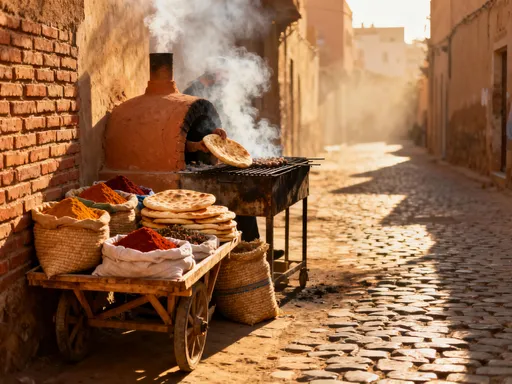
Similarly, khobz, the round, slightly tangy Moroccan bread, is never just an accompaniment. It’s a utensil, a plate, and a shared vessel. Diners tear off pieces to scoop up tagine, soak up sauces, or wrap around grilled meats. In many homes, the bread is baked daily in communal ovens, and the scent of it fresh from the oven is a familiar comfort. To refuse bread or tea is to reject hospitality, so visitors are encouraged to accept both, even if only a small portion.
These daily rituals reveal deeper cultural values: generosity, patience, and the importance of slowing down. In a world that often prioritizes speed and efficiency, Moroccan food culture insists on presence. A meal is not something to be rushed but a moment to be savored, shared, and remembered. Even a simple breakfast of bread, olive oil, and olives becomes a meaningful ritual when eaten with intention and company.
How to Eat Authentically: Practical Tips for Food-Loving Travelers
Eating like a local in Agadir doesn’t require fluency in Arabic or years of travel experience—it requires curiosity, respect, and a few practical strategies. Timing is crucial. Many of the best food experiences happen early in the morning or late in the evening. Visit markets between 7 and 9 a.m. for the freshest produce and warm bread. Return to the corniche after sunset to enjoy grilled seafood as the sky turns pink and families gather for walks.
Cash is essential. Most street vendors and small eateries do not accept cards, so carry small denominations of Moroccan dirhams. A wallet with coins and bills up to 100 dirhams will serve you well. While tipping is not always expected, leaving a small extra amount—especially after a home meal or a particularly generous vendor—shows appreciation.
Language can be a bridge. While many Moroccans speak French or some English, learning a few phrases in Moroccan Arabic goes a long way. “La basbouse?” (How much?) helps with prices. “Shukran” (thank you) is always appreciated. “Besha?” (delicious) will make any cook smile. And if invited into a home, know that eating with the right hand is customary—left hands are considered unclean in traditional settings.
Finally, embrace hospitality with grace. If offered tea, accept it. If invited to share a meal, say yes, even if you’re not hungry. These gestures are not casual—they are invitations into someone’s world. Respond with warmth, humility, and gratitude, and you’ll leave not just with full stomach, but with full heart.
Agadir’s food culture is a quiet revelation, thriving beyond the resorts. By stepping off the main paths, travelers don’t just eat well—they connect, remember, and belong. Let your taste buds lead the way.