Taste the Rhythm: Sydney’s Festival Food Scene Unplugged
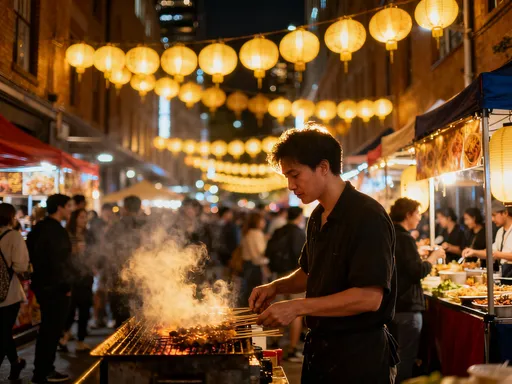
Ever wondered how food and festival vibes come together in one electric mix? In Sydney, it’s not just about sightseeing—it’s about tasting the culture, one sizzling street bite at a time. I walked through buzzing laneways, followed smoke trails from gourmet trucks, and joined locals dancing with chopsticks in hand. This is more than a meal—it’s a celebration. The city pulses with flavor during its many festivals, where every aroma tells a story and every bite connects you to a community. From harbor-lit nights to neighborhood street corners alive with music and spice, Sydney turns public spaces into open-air feasts. Here, food isn’t just served—it performs.
The Heartbeat of Sydney: Where Food Meets Festival
Sydney’s festival food culture is more than a trend—it’s a reflection of the city’s soul. As one of the most multicultural cities in the world, Sydney draws from over 200 distinct ancestries, each contributing to a rich tapestry of flavors, traditions, and communal expressions. This diversity isn’t just visible—it’s delicious. Festivals have become the city’s living dining rooms, where food acts as both centerpiece and connector. Events like the Sydney Festival, Vivid Sydney, and Lunar New Year celebrations don’t just showcase art or music; they serve as culinary stages where heritage meets innovation.
What makes food so central to these gatherings? It’s simple: shared meals foster connection. During the annual Sydney Festival, which spans three weeks every January, the city transforms into a stage for performance and palate alike. Alongside theater and dance, food trucks and pop-up markets line the streets of Hyde Park and surrounds, offering everything from native Australian ingredients like lemon myrtle kangaroo skewers to Filipino-style lechon. These aren’t just snacks—they’re cultural invitations, encouraging attendees to step into another world through taste.
Likewise, Vivid Sydney, the internationally renowned festival of light, music, and ideas, uses food as an essential part of its sensory experience. While the Opera House glows in kaleidoscopic hues, the surrounding precincts buzz with food installations and curated dining events. The integration of flavor into these large-scale festivals reflects a deeper shift in how Australians engage with public celebrations—no longer passive observers, but active participants in a full-bodied cultural experience. Food becomes the bridge between art and audience, between stranger and neighbor.
Street Bites & Global Flavors: A Taste of the World in One City
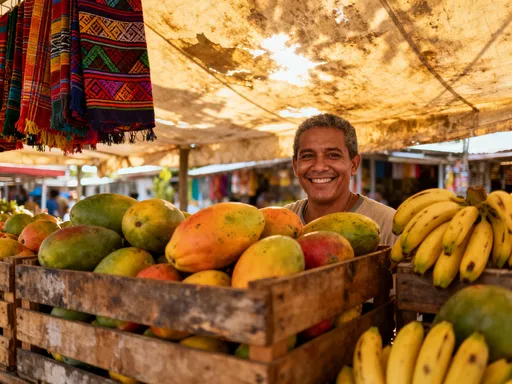
One of the most thrilling aspects of Sydney’s festival food scene is its sheer variety. Within a single afternoon, you can taste your way across continents without leaving the city center. The Carriageworks Night Markets in Chippendale, held seasonally, are a prime example. Every weekend during market runs, the industrial-chic space fills with the sizzle of woks, the tang of fermented kimchi, and the sweet smoke of grilled meats. Visitors line up for hours for dishes like handmade Sichuan dumplings, Thai boat noodles, and Mexican al pastor tacos served on handmade corn tortillas.
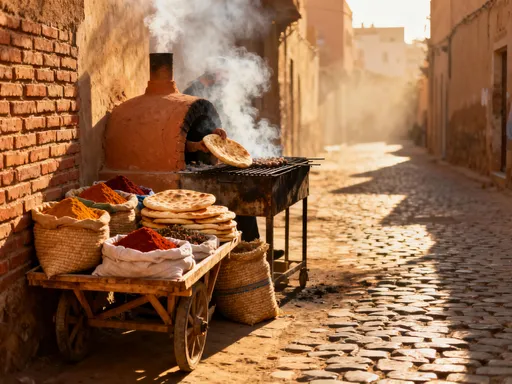
At the heart of this culinary explosion are the vendors—often family-run or chef-driven startups—who bring authenticity and passion to every plate. A popular fixture at these markets is the Korean BBQ truck known for its marinated beef bulgogi, served with crisp lettuce cups and house-made ssamjang. The scent of sesame oil and garlic fills the air, mingling with laughter and live acoustic music from nearby performers. It’s not just about eating—it’s about immersion. The texture of the tender meat, the crunch of pickled radish, the warmth of the rice ball wrapped in seaweed—all contribute to a multisensory journey.
In Parramatta, Western Sydney’s cultural hub, the annual Parramasala Festival celebrates South Asian arts and cuisine with vibrant energy. Here, you’ll find steaming baskets of samosas, golden and flaky, served with tamarind chutney, alongside slow-cooked lamb rogan josh and sweet jalebis dripping with syrup. The festival draws tens of thousands each year, many coming specifically for the food. What stands out is the sense of generosity—vendors often offer samples, encouraging guests to explore new flavors without commitment. This openness reflects Sydney’s broader ethos: curiosity is welcomed, and every palate is respected.
Behind the Sizzle: How Chefs Turn Festivals into Flavor Stages
Festivals in Sydney have evolved into more than just community events—they are professional platforms for chefs and culinary entrepreneurs to experiment, showcase, and gain visibility. For many rising talents, a successful festival appearance can launch a catering business, secure a restaurant lease, or even attract media attention. Events like Fired Up at Barangaroo have become incubators for culinary innovation, where top local chefs collaborate to create limited-edition dishes using open flames, wood-fired ovens, and live-fire grills.
At Fired Up, the atmosphere is part theater, part kitchen. Guests watch as chefs sear scallops over binchotan charcoal, flame-licked octopus curls on the grill, and smoke infuses into slow-roasted pork belly. The event isn’t just about consumption; it’s about witnessing the craft. Chefs interact with diners, explaining techniques and ingredient sourcing. This transparency builds trust and deepens appreciation. One chef, known for her use of native Australian ingredients, served a dish of wattleseed damper with macadamia cream and finger lime garnish—a modern take on Indigenous foodways that sparked conversations about sustainability and cultural respect.
Similarly, during Vivid Sydney, the Opera Bar hosts a series of curated dining experiences that pair seasonal menus with the festival’s light installations. Imagine sipping a native lemon verbena cocktail while watching the harbor shimmer with projected constellations, then biting into a crisp-skinned barramundi fillet glazed with quandong reduction. These moments elevate dining from routine to ritual. The process behind such events is meticulous—chefs spend weeks planning menus, sourcing ingredients, and coordinating with event organizers. Yet the goal remains simple: to create joy through flavor and atmosphere.
Best Festival Food Hotspots: Where to Go and When
For visitors and locals alike, knowing where and when to find the best festival eats can make all the difference. Darling Harbour Food Festival, held each autumn, is a must-visit for families and food lovers. Spread across multiple stages and tasting zones, the event features over 80 vendors, cooking demonstrations, and kid-friendly activities. Arriving early—ideally between 10 a.m. and noon—ensures shorter lines and fresher offerings. Many popular stalls sell out by mid-afternoon, especially those offering specialty items like truffle arancini or salted caramel lamingtons.
Another top destination is The Grounds of the City, located in the heart of Sydney’s financial district. Though smaller in scale, this urban garden oasis hosts rotating food events throughout the year, from winter warmers like mulled wine and slow-cooked beef pies to summer-themed tropical fruit bars. The space is particularly welcoming to families, with shaded seating, pet-friendly areas, and interactive elements like herb-picking stations. Payment is primarily card-based, though some artisanal vendors may prefer cash, so carrying a small amount is advisable.
The Domain Winter Festival, part of the larger Carols in the Domain event, offers a cozy, festive experience in June and July. As temperatures drop, the air fills with the scent of roasted chestnuts, spiced hot chocolate, and cinnamon-dusted churros. Food trucks line the park’s pathways, serving hearty dishes like lamb souvlaki, creamy pumpkin soup, and warm apple pie with vanilla bean ice cream. The event is alcohol-free, making it ideal for all ages. For the best experience, bring a picnic blanket, arrive before sunset, and enjoy the combination of live carols, twinkling lights, and comforting food under the winter sky.
Beyond the Plate: Music, Light, and the Full Sensory Experience
In Sydney, festival food is never isolated—it exists within a broader sensory ecosystem. The interplay of sound, light, scent, and movement enhances how we experience flavor. Research in neuroscience has shown that ambient music and lighting can influence taste perception, making food seem sweeter, spicier, or more comforting depending on the environment. Sydney’s festivals intuitively harness this principle, creating immersive experiences where every sense is engaged.
Vivid Sydney offers one of the most striking examples. As the city’s skyline transforms into a canvas of light projections, the culinary events mirror this creativity. At night, visitors wander through laneways illuminated by glowing installations while sipping spiced masala chai from paper cups and nibbling on green tea mochi dusted with matcha powder. The contrast between the cool night air and the warmth of the drink, the soft glow of lanterns above and the vibrant colors of the food—it all works together to create a memory that lingers far beyond the last bite.
At the same time, live music sets the rhythm. A jazz trio plays near a dumpling stall in The Rocks, their smooth melodies syncing with the pace of diners unwrapping steamed buns. A didgeridoo performance at a First Nations food pop-up adds depth and grounding, connecting modern tastes with ancient traditions. These elements don’t distract from the food—they elevate it. The crunch of a fried wonton feels sharper against the hum of a double bass; the sweetness of a mango sticky rice becomes more vivid under a canopy of LED stars. In these moments, eating becomes an act of full presence.
Local Secrets: Off-the-Beaten-Path Festival Eats Only Insiders Know
Beyond the major festivals lie hidden gems—smaller, community-driven events where authenticity shines. Marrickville, a suburb known for its artistic vibe and diverse population, hosts the annual Taste of the Mediterranean festival. Held in a local park, the event features family recipes passed down for generations: handmade dolmas, slow-braised moussaka, and syrup-soaked baklava. There’s no corporate branding, no long security lines—just neighbors sharing food under fairy lights.
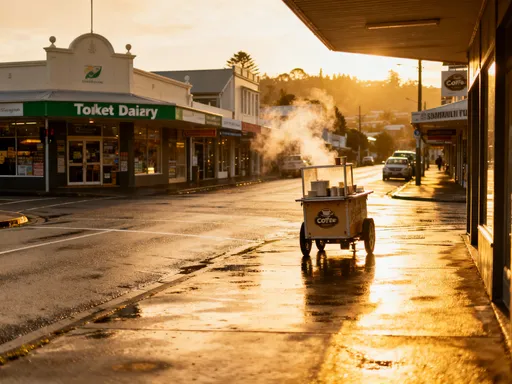
These grassroots events often fly under the tourist radar but are cherished by locals. Another example is the laneway food crawls organized by neighborhood food collectives in Newtown and Enmore. Led by local food bloggers or community organizers, these self-guided tours take participants through backstreets lined with hole-in-the-wall eateries and pop-up kitchens. One evening might include a stop at a Vietnamese coffee cart serving ca phe sua da, followed by a taste of Argentinian empanadas from a converted shipping container.
Discovering these experiences requires a bit of digging. Locals recommend checking community notice boards, following independent food blogs, or using apps like Eventbrite and Facebook Events with location filters set to specific suburbs. Signing up for newsletters from small cafes or cultural associations can also yield surprises. The key is to look beyond the headlines and embrace the quieter, more personal side of Sydney’s food culture. These moments—where you’re handed a spoonful of homemade tzatziki by a smiling grandmother or invited to try a new spice blend—are the ones that stay with you.
Planning Your Food-Fueled Festival Adventure: A Practical Roadmap
Designing a successful festival food tour in Sydney begins with preparation. Start by checking the official websites of major events—Destination NSW, Sydney Festival, and Vivid Sydney all maintain updated calendars with dates, locations, and featured vendors. Many festivals release their food lineups weeks in advance, allowing you to plan your must-try list. Budgeting is also essential; while some dishes range from AUD 10 to 15, specialty items or tasting plates can go up to AUD 25 or more. Setting a daily food budget helps avoid overspending while still allowing for indulgence.
Transportation plays a key role. Sydney’s public transit system is efficient, but during peak festival times, trains and buses can be crowded. Consider combining your visit with a scenic ferry ride—arriving at Darling Harbour or Barangaroo by water not only avoids traffic but adds to the experience. Many festival sites are walkable, so wear comfortable shoes and carry a reusable water bottle to stay hydrated, especially during summer events.
For those with dietary needs—whether vegetarian, vegan, gluten-free, or allergy-conscious—most major festivals now offer clear labeling and dedicated stalls. At the Carriageworks Night Markets, for instance, a ‘Plant-Based Lane’ features entirely meat-free and dairy-free options, including jackfruit tacos and turmeric-infused cashew cheese boards. When in doubt, don’t hesitate to ask vendors about ingredients; most are happy to accommodate and explain their cooking methods.
Timing is another factor. Weekends are busiest, so weekday visits often mean shorter lines and more relaxed interactions with chefs. If attending a sunset event like Vivid, plan to arrive at least an hour before dark to secure food before popular stalls sell out. Finally, embrace spontaneity. Some of the best meals happen when you follow the scent of grilled prawns down an unmarked alley or accept a sample from a smiling vendor who says, “Try this—it’s my grandmother’s recipe.” Let curiosity lead you.
Conclusion: Why Sydney’s Festival Food Culture Feeds the Soul
Sydney’s festival food scene is more than a collection of delicious bites—it’s a celebration of life, community, and belonging. In a world that often feels fast and fragmented, these gatherings remind us of the power of sharing a meal. Whether you’re biting into a steaming bao under the glow of harbor lights or accepting a spoonful of spiced lentil stew from a stranger at a neighborhood fair, you’re not just eating—you’re connecting.
The city has mastered the art of turning public space into shared table, where every flavor tells a story and every festival becomes a living kitchen. It’s a place where tradition and innovation coexist, where chefs honor their roots while reimagining the future of food. For the 30- to 55-year-old woman who values family, connection, and meaningful experiences, Sydney’s festival food culture offers something deeply nourishing—not just for the body, but for the heart.
So the next time you plan a getaway, consider letting flavor guide your journey. Let the rhythm of sizzling pans, the hum of conversation, and the warmth of freshly baked bread lead you through the streets of Sydney. Come with an open mind, a curious palate, and a willingness to engage. Because in this city, every festival is an invitation—to taste, to celebrate, and to belong.