You Won’t Believe These Sapporo Viewpoints You Can Reach by Car
Driving through Sapporo opens up a whole new way to experience Hokkaido’s charm. I hit the road with no fixed plan, just a tank full of gas and a hunger for views most tourists miss. What I found? Hidden lookouts, quiet mountain passes, and cityscapes that take your breath away. If you're craving real moments—not crowded spots—self-driving here is next level. Let me show you the viewpoints that made my trip unforgettable.
Why Self-Driving in Sapporo Changes Everything
Traveling by car in Sapporo transforms the journey from a simple transfer between destinations into an experience of discovery. While public transportation offers convenience, it often confines travelers to fixed routes and timetables, limiting access to remote or lesser-known vantage points. A rental car, however, grants the freedom to explore Hokkaido’s natural rhythm on your own terms. You can pause at a sunlit bend in the road, wait for golden hour to bathe a valley in soft light, or follow a quiet forest path that only locals know. This flexibility is especially valuable during early mornings or late evenings when landscapes shift dramatically in tone and atmosphere.
The driving conditions around Sapporo are generally excellent, with well-maintained roads, clear signage in both Japanese and English, and low traffic congestion outside peak hours. Most major highways and rural routes are wide and smooth, making them ideal even for drivers unfamiliar with Japanese roads. Winter driving requires caution due to snowfall, but rental agencies provide winter-ready vehicles equipped with snow tires, and road maintenance crews work efficiently to keep major routes clear. With proper preparation, driving in any season becomes not only safe but deeply rewarding.
Beyond logistics, self-driving fosters a deeper connection with the region’s character. Instead of viewing scenery through a train window, you engage with it directly—smelling pine forests after rain, hearing the rustle of leaves as you park beside a stream, or feeling the crisp mountain air as you step out at a highland overlook. These sensory details anchor memories far more vividly than any guided tour could. For travelers seeking authenticity, spontaneity, and peace, having a car unlocks a quieter, more personal side of Sapporo and its surroundings.
Mount Moiwa: The Classic Night View, Your Way
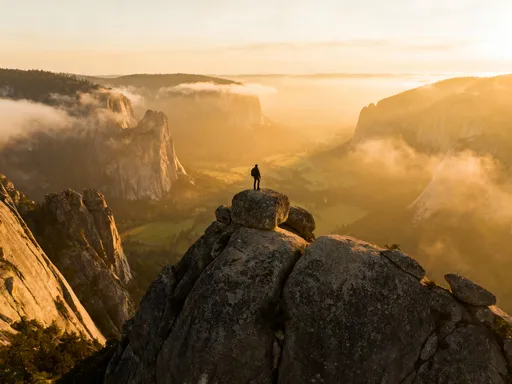
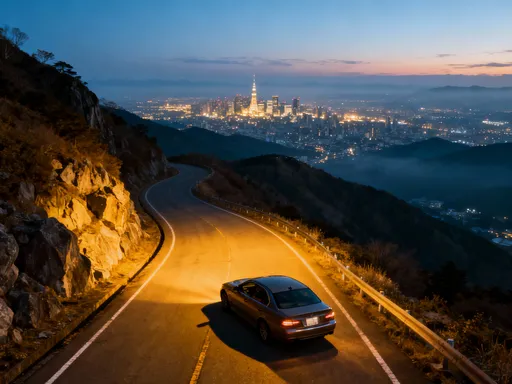
Mount Moiwa stands as one of Sapporo’s most celebrated natural landmarks, renowned for offering one of Japan’s top three night views. While many visitors rely on the ropeway to reach the summit, driving up provides a more intimate and flexible alternative. By arriving early in the afternoon, you avoid the evening crowds and secure a prime parking spot with an unobstructed westward view—perfect for watching the sun dip behind the city skyline. As daylight fades, the urban landscape below begins to sparkle, transforming into a vast sea of golden lights that stretch toward the horizon.
The route to the summit is straightforward, beginning from the southern edge of Chuo Ward and following Prefectural Road 83 uphill. The winding road is paved and well-marked, with gentle curves suitable for all skill levels. Along the way, there are several small pull-offs where you can stop to admire partial views of the city or take photos of the surrounding forested slopes. Once near the top, designated parking areas accommodate dozens of vehicles, and attendants are often present during peak seasons to assist with navigation and safety.
What makes this experience truly special is the transition from dusk to full darkness. As the last traces of twilight vanish, Sapporo reveals its brilliance—streets glowing like luminous veins, buildings twinkling like constellations, and distant hills silhouetted against the night sky. The effect is often compared to stars reflected on black glass, a poetic description that captures both the clarity and depth of the vista. Families, couples, and solo travelers alike gather here not just for photos, but for quiet reflection. With your own car, you control the timing, allowing you to stay as long as you wish and leave when the moment feels right—without waiting for the last ropeway descent.
Jozankei Valley: Hot Springs and Hidden River Lookouts
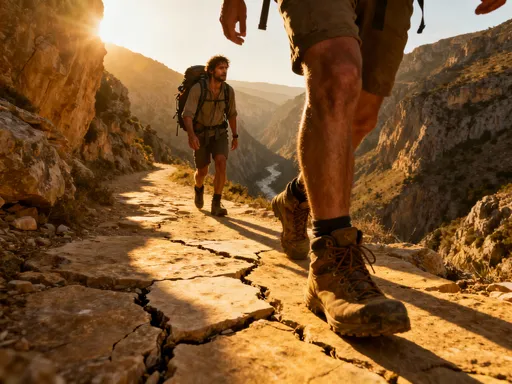
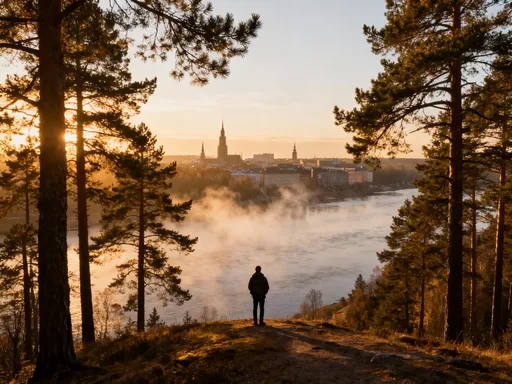
Nestled just 30 minutes southwest of downtown Sapporo, Jozankei Valley offers a serene escape into nature without requiring a full-day expedition. This forested gorge, carved by the Toyohira River, is famous for its hot spring resorts and lush greenery, but few tourists realize how many scenic viewpoints are accessible simply by car. Driving allows you to explore at your own pace, stopping at quiet pull-offs where the river bends dramatically and sunlight filters through towering trees. These moments of stillness—listening to rushing water, watching mist rise from warm pools, or spotting birds flitting across the canopy—define the valley’s quiet magic.
As you enter the valley via National Route 274, the landscape shifts quickly from urban sprawl to dense woodland. Along the riverbank, narrow shoulders serve as informal viewing areas, though drivers should exercise caution and park only in designated zones to avoid obstructing traffic. One particularly striking overlook lies just past the main onsen district, where the road curves sharply and opens onto a wide vista of the river winding through autumn-colored foliage. In fall, the scene explodes in shades of crimson, amber, and gold—a photographer’s dream that remains surprisingly uncrowded compared to more famous spots like Daisetsuzan.
For those interested in brief walks, several trailheads are located near parking areas, leading to elevated platforms with panoramic views of the gorge. These paths are well-maintained and suitable for all ages, often featuring wooden railings and informational signs about local flora and geology. The combination of natural beauty and thermal activity creates a unique microclimate, supporting ferns, moss-covered boulders, and even wildflower meadows in summer. Whether you stop for ten minutes or linger for hours, Jozankei’s riverside lookouts offer a peaceful counterpoint to the energy of the city.
Okura Museum Overlook: A Quiet Glimpse of History & Scenery
Tucked into the residential hills of Higashi Ward, the Okura Museum overlook is a hidden gem that blends culture, history, and natural beauty. While the museum itself honors the legacy of industrialist Kihachiro Okura and his collection of Japanese and East Asian art, the surrounding grounds provide one of the most understated yet stunning panoramic views of Sapporo. From this elevation, the city unfolds in a gentle gradient, framed by traditional tiled roofs and manicured gardens. What sets this spot apart is its tranquility—visitors often outnumber locals, yet it remains calm, almost meditative, even on weekends.
Reaching the overlook requires a short drive up a narrow but paved road lined with cherry trees. Parking is limited but sufficient, with a small lot near the museum entrance. Visitors are welcome to walk the grounds freely, following stone pathways that lead to various vantage points. One particularly serene corner features a wooden bench facing west, perfectly positioned for late afternoon light. From here, you can see the central districts stretching toward Ishikari Bay, with the outline of the Sea of Japan faintly visible on clear days.
The juxtaposition of historical architecture and modern cityscape creates a layered visual narrative. Traditional garden elements—stone lanterns, koi ponds, and carefully pruned pines—anchor the foreground, while the distant skyline pulses with contemporary life. It’s a reminder that Sapporo is not just a city of festivals and ramen stalls, but one deeply rooted in cultural preservation. Families visiting the museum often spend extra time simply sitting and gazing, allowing the view to slow their pace. For independent travelers, this quiet hilltop offers a rare chance to reflect without distraction, making it one of the most emotionally resonant stops on a self-driven tour.
Shiroishi Ward High Grounds: Local Life Meets City Vista
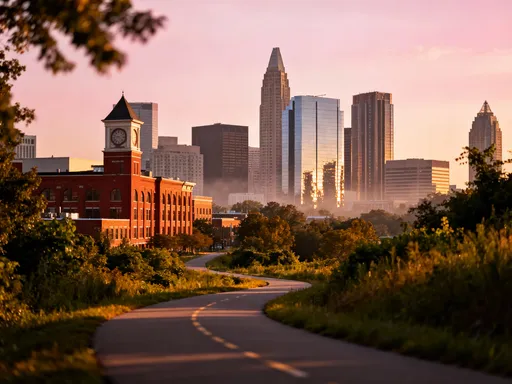
A short drive east of central Sapporo brings you to Shiroishi Ward, a largely residential area that few tourists consider—but one that holds one of the most authentic city views in the region. Unlike the dramatic peaks of Mount Moiwa or the tourist-friendly decks of TV towers, Shiroishi’s elevated roads offer a grounded, everyday perspective on urban life. Here, the city’s grid-like layout meets the foothills of the Yūbari Mountains, creating a sweeping panorama where rooftops, streetlights, and bicycle paths blend seamlessly with distant snow-capped peaks.
The best vantage point lies along a stretch of Prefectural Road 105, where a slight rise in elevation provides an unbroken view westward. There are no formal observation decks or parking lots, but safe shoulders allow for temporary stops. Sunrise is the ideal time to visit, when soft pink light washes over the city and steam rises from morning commutes. Local residents often pause here on their way to work, snapping photos with their phones or simply taking a deep breath before the day begins. It’s a place of quiet pride—a reminder that beauty exists not only in postcard scenes but in the ordinary rhythm of life.
What makes Shiroishi special is its lack of spectacle. There are no crowds, no admission fees, no souvenir shops—just an honest view of how Sapporo lives. Children ride bikes to school, delivery vans navigate quiet streets, and laundry flutters on balconies in the breeze. Yet, from this height, even these small details form a larger, cohesive picture. For visiting families, it’s a chance to see how Japanese households thrive in harmony with nature. For solo travelers, it’s a moment of connection—to a place, to its people, and to the simple joy of being present.
Noboribetsu Nearby: A Scenic Detour Worth Taking
Though located about 80 kilometers south of Sapporo, Noboribetsu is easily reachable as a day trip by car, offering a dramatic shift in landscape and geothermal wonder. Famous for its onsen and volcanic activity, the area centers around Hell Valley (Jigokudani), a steaming gorge formed by ancient eruptions. While the valley floor is accessible via walking trails, the drive itself presents some of Hokkaido’s most arresting roadside views. Along Route 230, numerous pull-offs allow travelers to pause and absorb the raw power of nature—plumes of vapor rising from fissures, sulfurous streams cutting through black rock, and mountains cloaked in thick forest.
The approach to Noboribetsu from Sapporo follows a well-maintained expressway that transitions into scenic two-lane roads as you near the town. The change in terrain is gradual but unmistakable: flat farmland gives way to rolling hills, then to rugged volcanic formations. One particularly memorable overlook appears just before the final descent into the valley, where a wide turnout offers a full view of the steaming landscape below. On cooler days, the contrast between ambient air and geothermal heat creates swirling fog patterns that shift like living sculptures.
While Hell Valley is the main attraction, the surrounding area includes other quiet lookouts, such as the viewpoint near Oyunuma Pond, where boiling water bubbles constantly and wooden boardwalks guide visitors safely above the heat. These sites are well-marked and equipped with informational panels explaining the geological processes at work. For families, the combination of science and spectacle makes it both educational and awe-inspiring. For photographers, the interplay of steam, light, and texture offers endless creative possibilities. Driving allows you to time your visit outside peak hours, avoiding tour buses and enjoying the otherworldly atmosphere in relative solitude.
Driving Tips & Seasonal Advice for Maximum Views
To fully enjoy Sapporo’s scenic drives, preparation is key. Japan follows international driving standards, with left-hand traffic and clear road signs, but certain regional conditions require attention—especially in winter. Between December and March, snow covers much of Hokkaido, and while major roads are diligently cleared, rental cars must be equipped with winter tires by law. Many agencies include these automatically, but it’s wise to confirm when booking. Chains are rarely needed on main routes but may be required in mountainous or rural areas during heavy storms.
Summer brings its own considerations. While temperatures are mild, early morning fog can reduce visibility in valleys like Jozankei or along riverbanks. Leaving Sapporo by 6:00 or 7:00 a.m. increases your chances of catching clear light and empty roads. Late summer also brings insects, so keeping windows closed or using insect screens can enhance comfort. Regardless of season, fuel stations are plentiful, but carrying water, snacks, and a basic emergency kit—including a flashlight and blanket—is recommended for longer excursions.
Seasonal changes dramatically affect the appearance of each viewpoint. Autumn, from late September to mid-October, delivers peak foliage, especially in elevated areas like Mount Moiwa and Jozankei. Winter transforms the landscape into a monochrome wonderland, ideal for capturing snow-laden trees and frosted cityscapes. Spring, from April to early June, brings melting snow and rushing streams, while summer offers deep greens and clear skies. Planning your route around these cycles ensures you witness each location at its most vibrant.
Navigation is straightforward with GPS-enabled devices or smartphone apps like Google Maps, which function reliably across Hokkaido. However, downloading offline maps is advisable in case of spotty signals in remote zones. Most rental agencies provide English-speaking support, and international driving permits are required for non-Japanese license holders—easily obtained before arrival. With these basics in place, the open road becomes a gateway to discovery.
Self-driving in Sapporo isn’t just about getting from A to B—it’s about discovering the in-between moments that define a journey. These viewpoints offer more than scenery; they offer connection, silence, and awe. Hit the road, trust your instincts, and let Hokkaido’s beauty unfold on your terms.