This Is What Happens When You Chase Sunsets in Maafushi
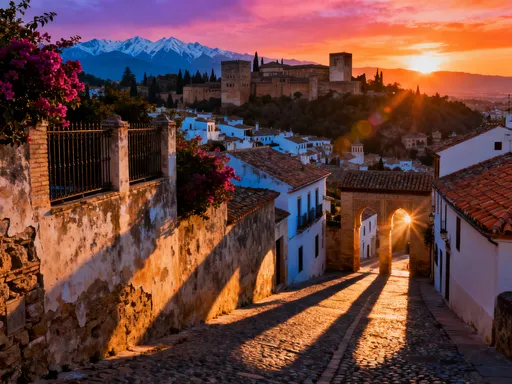
You know that feeling when the sky melts into gold and the ocean glows beneath it? That’s Maafushi at dusk. I came for the beaches, but stayed for the magic—reefs teeming with life, sandbanks that appear like mirages, and waters so clear they rewrite your definition of blue. This island isn’t just a stopover; it’s a gateway to the Maldives’ rawest natural wonders. Let me take you where the guidebooks don’t. Here, beauty isn’t staged—it unfolds quietly, in the hush between waves and the slow fade of light across the horizon. In Maafushi, every sunset is an invitation to slow down, to breathe deeper, and to remember why we travel in the first place: not to check boxes, but to feel alive.
First Glimpse: Arriving in Maafushi – Simplicity Meets Beauty
The journey to Maafushi begins with a shift in pace. After landing at Velana International Airport in Malé, travelers board a domestic flight or a speedboat transfer—typically 30 to 45 minutes depending on sea conditions. Unlike the private seaplanes that ferry guests to five-star resorts, the boat ride to Maafushi feels refreshingly unfiltered. There’s no curated soundtrack or champagne greeting, just the rhythm of the waves and the occasional call to prayer drifting from the mainland. As the island emerges on the horizon, low-rise buildings blend into palm silhouettes, and the first glimpse of turquoise water quickens the pulse.
What strikes most upon arrival is the absence of pretense. Maafushi does not cater to the jet-set crowd seeking seclusion and butler service. Instead, it welcomes independent travelers, budget-conscious families, and those who value authenticity over opulence. The island is compact—just over one kilometer long—with narrow footpaths connecting guesthouses, cafés, and the main beach. There are no sprawling infinity pools or designer boutiques, but there is charm in the weathered wooden docks, the hand-painted signs pointing to snorkeling spots, and the children waving from bicycles as they pedal past.
This simplicity is not a compromise—it’s the essence of Maafushi’s appeal. While luxury resorts often isolate guests from local life, Maafushi offers integration. You’ll hear Dhivehi spoken in the market, see fishermen mending nets at dawn, and smell curry leaves sizzling in roadside kitchens. The island has adapted to tourism, but not at the cost of its identity. Guesthouses are family-run, often converted from traditional homes, and hosts take pride in sharing their way of life. This balance between accessibility and cultural integrity makes Maafushi a rare example of sustainable island tourism done right.
Moreover, the ease of access enhances rather than diminishes the experience. Because Maafushi is reachable without exorbitant transport costs, it attracts a diverse range of visitors—solo travelers, couples, small families—all united by a desire for genuine connection. The lack of a resort bubble means interactions feel organic. A smile from a shopkeeper, a shared bench at a seaside café, a conversation with a local guide—these small moments accumulate into a richer, more meaningful journey. In Maafushi, you don’t just visit a place; you become part of its daily rhythm, even if only for a few days.
Beyond the Beach: Discovering Hidden Coves and Secret Spots
While Maafushi’s main beach draws crowds with its powdery white sand and easy access to guesthouses, the true magic lies beyond the well-trodden path. A short walk along the island’s northern or southern tips reveals secluded coves accessible only during low tide. These hidden stretches of shoreline are not marked on most maps, but they reward the curious traveler with solitude and unspoiled beauty. As the water recedes, narrow sandbars emerge, connecting islets and creating natural labyrinths perfect for exploration. Walking barefoot across these temporary land bridges, with the ocean on both sides, feels like stepping into a dream.
The tides govern everything on Maafushi. High tide submerges certain paths, turning them into shallow channels where reef fish dart between coral heads. Low tide, however, unlocks a network of secret beaches and tidal pools teeming with life. These micro-environments offer intimate encounters with nature—a hermit crab scuttling under a rock, a sea star clinging to coral, the gentle pulse of a sea anemone in a sunlit pool. The texture of the sand changes from place to place: fine and cool near the main beach, coarser and shell-strewn in the coves. Even the shade feels different beneath the bent palms that grow closer to the island’s edges, their fronds whispering in the breeze.
What sets these hidden spots apart is not just their beauty, but the sense of discovery they inspire. Unlike the main beach, where sun loungers and vendors create a familiar resort atmosphere, these quiet zones remain untouched by commercialization. There are no umbrella rentals, no music, no crowds. Just the sound of waves folding onto shore and the occasional call of a tern overhead. Sitting on a rock, watching the light shift across the water, one begins to understand the island on a deeper level—not as a destination, but as a living, breathing ecosystem.
For those who prefer a different vantage point, kayaking offers another way to explore. Paddling along the coastline at dawn, when the water is glassy and the air still cool, reveals angles invisible from land. Mangrove clusters fringe parts of the shore, their tangled roots sheltering juvenile fish and crabs. From the kayak, you can glide silently over coral gardens, spotting parrotfish nibbling at limestone and octopuses camouflaged against the seabed. These moments of quiet observation foster a deeper connection with the environment—one that stays long after the trip ends.
Beneath the Surface: Snorkeling Adventures in Coral Gardens
One of Maafushi’s greatest gifts is its proximity to vibrant marine life. Within a five-minute swim from the shore, snorkelers enter a world of color and motion. The coral gardens surrounding the island are home to brain corals, staghorn formations, and soft corals that sway like underwater gardens. Schools of angelfish, butterflyfish, and sergeant majors dart through the crevices, while larger species like bluefin trevallies patrol the outer edges. It’s not uncommon to spot green sea turtles gliding gracefully just beyond the reef, their flippers moving with quiet purpose.
The best snorkeling occurs during calm weather and mid-tide, when visibility exceeds 15 meters and currents remain gentle. Early morning is ideal—sunlight penetrates the water with golden clarity, illuminating the reef in full detail. Equipped with a mask, snorkel, and fins, even novice swimmers can explore these underwater realms safely. No boat trip or guided tour is necessary; simply wade in from the beach, follow the natural slope of the seabed, and let the ocean reveal its secrets. For added safety, wearing a rash guard reduces the risk of scrapes and provides sun protection without harming the coral.
While the abundance of life is exhilarating, it’s important to approach the reef with care. Coral polyps are delicate, and even slight contact from a fin kick can cause lasting damage. Responsible snorkelers maintain neutral buoyancy, avoid touching or standing on the reef, and refrain from chasing marine animals. Using reef-safe sunscreen is another critical practice—chemicals like oxybenzone contribute to coral bleaching and are banned in several Maldivian protected areas. Choosing mineral-based alternatives not only protects the ecosystem but also ensures compliance with local environmental regulations.
What makes Maafushi’s snorkeling exceptional is its accessibility. Unlike resorts that require expensive excursions for reef access, here the underwater world is open to all. Children can snorkel alongside parents, beginners can gain confidence in shallow zones, and experienced divers can appreciate the biodiversity without needing full gear. This democratization of marine exploration reflects a broader philosophy: that nature’s wonders should not be reserved for the privileged few, but shared with anyone willing to look beneath the surface.
The Floating World: Day Trip to a Deserted Sandbank
No visit to Maafushi is complete without a journey to a remote sandbank—an ephemeral island born of currents and tides. These narrow strips of sand rise from the ocean floor, often appearing as if scattered by nature’s hand across an endless blue canvas. Reaching one requires a local boat charter or participation in a shared island-hopping tour, typically arranged through guesthouses or dive centers. The ride itself is part of the adventure: bouncing over gentle swells, spotting dolphins in the distance, and watching the horizon shift as familiar landmarks fade behind.
Arriving at a sandbank is a surreal experience. There are no trees, no structures, no signs of human habitation—just a ribbon of fine white sand surrounded by water so clear it seems unreal. At low tide, the sandbank may stretch 200 meters long and 30 meters wide, but during high tide, much of it disappears beneath the waves. Standing in the middle of this temporary island, with water on all sides, creates a profound sense of isolation and wonder. It’s easy to understand why travelers describe these places as ‘paradise found’—they are nature’s blank slate, offering peace, perspective, and the rare luxury of true stillness.
While the temptation is to linger for hours, visitors must remain mindful of their impact. These sandbanks are fragile ecosystems, often serving as resting spots for seabirds or nurseries for marine life. Leaving no trace is essential: packing out all trash, avoiding loud noises, and refraining from anchoring boats directly on the sand. Some operators now use mooring buoys to prevent damage to the seabed, and travelers are encouraged to support these eco-conscious practices.
Bringing supplies is also key. Sun protection, fresh water, and light snacks should be carried, as there are no facilities on-site. A waterproof bag keeps electronics safe, and a small towel allows for comfortable lounging. While the experience is simple, it is deeply restorative—a reminder that joy does not require complexity. Lying on the sand, listening to the soft lap of waves, watching a cloud drift across the sky, one begins to feel unburdened, as if the ocean has gently washed away the weight of daily life.
Connecting with Local Rhythms: Life on Maafushi Island
Beyond its natural beauty, Maafushi’s soul lies in its people. Life here moves at a different tempo—one shaped by tides, prayers, and the daily routines of a close-knit community. Unlike resort islands staffed by imported workers, Maafushi is home to generations of Maldivians who live, work, and raise families on the island. Interacting with residents offers a window into a culture rooted in hospitality, faith, and resilience. A simple ‘hello’ in Dhivehi—‘assalaamu alaikum’—often leads to a warm exchange, an invitation to try fresh coconut water, or a story about life before tourism arrived.
The island’s economy has evolved to accommodate visitors, but it remains grounded in local enterprise. Family-run guesthouses dominate the accommodation scene, each offering personalized service and home-cooked meals. Breakfast might include garudhiya (a fragrant fish broth), roshi (flatbread), and ripe papaya. Small cafés line the pathways, serving grilled tuna sandwiches, tropical smoothies, and strong black tea sweetened with palm sugar. These eateries are not designed for Instagram—they exist to feed neighbors and guests alike, with authenticity as their signature.
Tourism has brought economic benefits, but the community remains vigilant about preserving its values. Alcohol is not sold on the island, in accordance with local customs, and dress codes encourage modesty, especially outside tourist zones. These practices are not restrictions, but reflections of cultural respect. Visitors who embrace them often find a deeper sense of belonging. Participating in a local football match, attending a handicraft workshop, or learning to weave palm fronds are small acts that foster mutual understanding.
Sustainable tourism is not a buzzword here—it’s a necessity. With limited land and resources, Maafushi depends on careful stewardship. Many guesthouses have adopted solar power, composting systems, and water conservation methods. Some host educational talks on marine conservation, inviting travelers to see their stay as part of a larger responsibility. This integration of visitor and community life enriches the experience, transforming a simple vacation into a meaningful exchange.
Sunset Rituals: Why Chasing Dusk Is a Daily Must
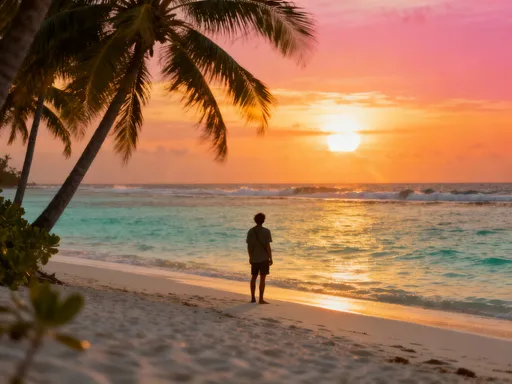
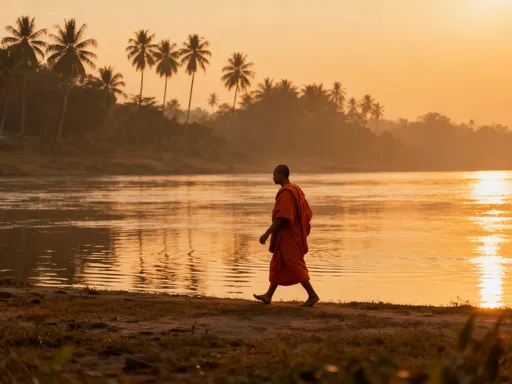
If Maafushi has a daily ceremony, it is the sunset. As the sun begins its descent, the sky transforms into a canvas of amber, rose, and lavender. The water mirrors the colors, creating a seamless blend of fire and reflection. Locals and travelers alike gather along the western shore—not in crowds, but in quiet clusters. Some sit on wooden benches, others stand barefoot in the shallows, all facing the horizon. There is no announcement, no fanfare—just a collective pause, a shared moment of stillness.
This ritual is not about spectacle, but about presence. In a world dominated by screens and schedules, the Maafushi sunset offers a rare opportunity to simply be. The slow fade of light slows time itself. Thoughts settle. Breathing deepens. Worries that felt urgent hours ago begin to dissolve. Parents watch children chase reflections in the wet sand. Couples sit in comfortable silence. Solo travelers find companionship in the unspoken bond of shared awe. It is a reminder that beauty does not need to be loud to be powerful.
The best viewing spots vary by season and tide. During calm evenings, the main beach offers unobstructed views. On windier days, the northern tip provides shelter and a more intimate setting. Some guesthouses have rooftop terraces perfect for photography, while others recommend a short kayak paddle offshore for a panoramic perspective. Regardless of location, the experience remains the same: a daily gift, freely given, that asks only for attention in return.
Over time, chasing sunsets becomes less about capturing the perfect photo and more about cultivating gratitude. Each evening brings a unique display—sometimes bold and fiery, other times soft and subtle. Learning to appreciate them all teaches patience and presence. Travelers often leave Maafushi not with souvenirs, but with a renewed sense of calm, carried forward like an internal compass pointing back to simplicity.
Traveling Responsibly: Protecting Maafushi’s Fragile Ecosystem
Maafushi’s beauty is undeniable, but it is also fragile. Like many low-lying island nations, the Maldives faces existential threats from climate change, rising sea levels, and environmental degradation. Coral bleaching events have affected reefs across the archipelago, and plastic pollution remains a persistent challenge. Over-tourism, while not yet at crisis levels on Maafushi, could strain resources if left unchecked. The responsibility to protect this paradise does not fall solely on locals—it is shared by every visitor who sets foot on the island.
Responsible travel begins with small, intentional choices. Using reusable water bottles reduces plastic waste, especially since many guesthouses now offer filtered water refill stations. Carrying a cloth bag for shopping, refusing single-use straws, and properly disposing of trash are simple actions with outsized impact. Supporting businesses that prioritize sustainability—such as those using solar energy or sourcing food locally—helps reinforce positive practices and encourages others to follow.
Marine protection is equally critical. In addition to using reef-safe sunscreen, travelers should avoid stepping on coral, feeding fish, or removing shells and souvenirs from the beach. Anchoring boats on coral is strictly prohibited, and responsible operators use designated mooring points. Participating in beach cleanups, even informally, sends a powerful message of care. Some visitors even adopt a ‘leave no trace’ mindset, collecting a few pieces of debris during their walks as a quiet act of stewardship.
Education plays a vital role. Many guesthouses and dive centers offer briefings on local conservation efforts, from turtle protection programs to mangrove restoration. Listening, learning, and sharing this knowledge with fellow travelers amplifies its reach. Responsible tourism is not about perfection—it’s about awareness and effort. When visitors treat Maafushi not as a backdrop for photos, but as a living community and ecosystem, they become allies in its preservation.
The goal is not to restrict enjoyment, but to ensure it endures. By traveling mindfully, we honor the island’s gifts and protect them for future generations. The magic of Maafushi is not in its isolation, but in its interconnectedness—with the ocean, the reef, the people, and the sky that blazes each evening. To witness that magic is a privilege; to safeguard it is a duty.
Maafushi is more than a destination—it is a quiet teacher. It shows us that wonder does not require extravagance, that connection grows from simplicity, and that beauty is most powerful when shared with care. In a world that often values speed and scale, this small island offers a different rhythm: one of tides, sunsets, and the gentle pulse of life beneath the waves. To chase sunsets here is not just to witness a daily miracle, but to be changed by it. So go—walk the hidden coves, float above coral gardens, sit in silence as the sky ignites. Let the ocean remind you how simple beauty can be life-changing. And when you leave, carry that stillness with you, knowing you helped protect a place where Earth still breathes, deeply and freely, in shades of blue and gold.