Chasing Light in Vientiane: A Photographer’s Love Letter to the Capital’s Quiet Charm
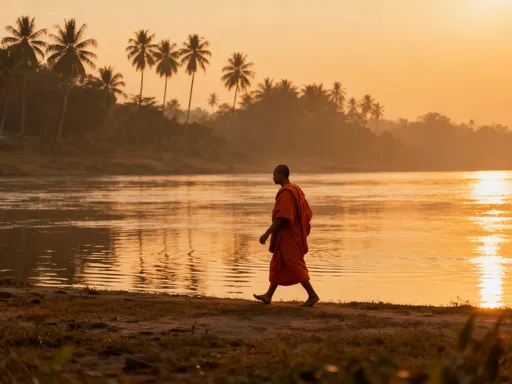
You know that golden hour glow that makes every city look like a postcard? Vientiane nails it—especially if you’ve got a camera in hand. I didn’t expect much from Laos’ capital at first, but the way sunlight dances on temple spires and riverfront paths? Absolutely stunning. This is less about famous landmarks and more about catching fleeting moments—a monk’s silhouette at dawn, street vendors lit by neon at dusk. If cityscapes with soul speak to you, Vientiane’s quiet beauty will steal your lens—and your heart.
First Impressions: Why Vientiane Surprised Me
When most travelers think of Southeast Asia’s capitals, images of Bangkok’s neon skyline or Hanoi’s chaotic alleyways come to mind. Vientiane, by contrast, slips quietly into view—unhurried, unassuming, and refreshingly uncluttered. There are no towering skyscrapers, no subway lines, and certainly no overwhelming crowds. At first glance, it might even seem underwhelming. But for a photographer, this simplicity is not a drawback—it’s a gift. The open skies, wide boulevards lined with frangipani trees, and absence of visual noise create a rare clarity. Every frame feels intentional, uncluttered by distractions. The city breathes, and so does your lens.
What struck me most was the rhythm of daily life. There’s a slowness here that isn’t laziness—it’s presence. People move with purpose, but without urgency. This pace allows time to observe, to wait for the right light, to notice the way a shadow falls across a weathered door. In a world where cities often compete for attention through size and speed, Vientiane stands apart by offering space—both physically and emotionally. That space becomes a canvas. Whether it’s the curve of a bicycle wheel against a pastel-painted wall or the quiet reflection of clouds in a puddle after rain, the city invites you to look closer.
And then there’s the light. Unlike tropical cities where harsh midday sun flattens colors and bleaches details, Vientiane’s atmosphere has a softness. The air carries a golden haze in the late afternoon, wrapping buildings and trees in a warm, diffused glow. This isn’t a city that shouts; it whispers. And for those willing to listen—to slow down and truly see—it offers a kind of visual poetry that’s hard to find elsewhere. The absence of overwhelming stimuli doesn’t mean a lack of subject matter. On the contrary, it means every detail matters. A single lotus bloom floating in a temple pond can become the center of a composition. A child’s bare feet skipping over sun-warmed pavement tells a story. Vientiane teaches photographers to value restraint, to find meaning in stillness.
The Mekong Riverfront: Where Time Slows Down
The Mekong River is the quiet heartbeat of Vientiane, and its riverside promenade is one of the city’s most photogenic spaces. At sunrise, the path is nearly empty—just a few elderly residents practicing tai chi, their movements slow and deliberate, mirrored in the glassy surface of the river. The water acts as a natural reflector, doubling the sky’s colors and creating symmetrical compositions that feel almost painterly. As the sun climbs, the light shifts from cool blues and pinks to a soft gold, illuminating the faces of joggers, dog walkers, and couples enjoying early morning strolls.
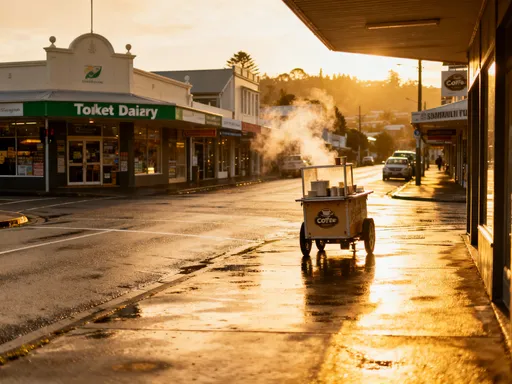
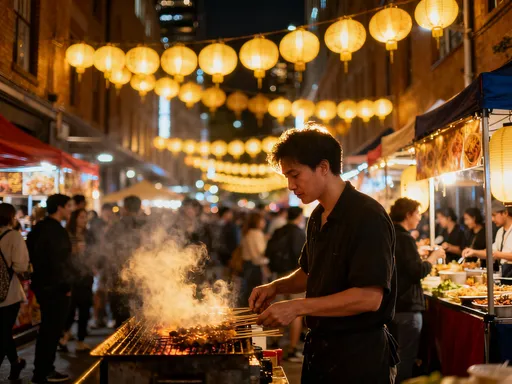
By late afternoon, the promenade transforms. The light becomes richer, warmer, casting long shadows across the walkway. Fishermen take their places along the banks, casting lines with practiced ease. Their silhouettes against the fiery horizon make for powerful, minimalist images. Street vendors begin to set up—women arranging grilled corn, skewers of meat, and sticky rice in bamboo tubes. Their stalls, lit by flickering lanterns and the last rays of sun, glow like little beacons along the shore. This is the time to capture contrast: the stillness of the river against the quiet activity of the people, the natural beauty of the sky against the humble textures of daily life.
One of the most compelling aspects of photographing the riverfront is its authenticity. There’s no forced tourism here—no staged performances or crowded boat tours. What you see is what happens every day, regardless of whether cameras are present. This allows for candid photography that feels honest, not intrusive. A wide-angle lens can capture the sweep of the river and skyline, while a telephoto lets you isolate details—a wrinkled hand turning a grilled sausage, a child’s face lit by the warm glow of a food cart. The river doesn’t just reflect light; it reflects life.
Temple Trails: Capturing Spirituality in Stone
Vientiane is home to over fifty Buddhist temples, each offering a unique blend of history, architecture, and spiritual atmosphere. Among them, Wat Si Saket and Pha That Luang stand out not only for their cultural significance but also for their photographic potential. Wat Si Saket, with its open-air cloisters lined with thousands of small Buddha statues, is a study in repetition and symmetry. The statues, each slightly different in posture and expression, create a rhythm that draws the eye through the frame. Early morning visits offer soft, even light filtering through the trees, perfect for capturing the serene expressions without harsh shadows.
Inside the main hall, lighting becomes a challenge—and an opportunity. The dim interior, illuminated only by candles and the occasional shaft of sunlight, requires slower shutter speeds or higher ISO settings. A tripod is ideal, but not always practical in a space shared with worshippers. Instead, many photographers rely on natural light and careful composition. Framing a single Buddha statue against a dark background, with just enough light to highlight its face, can evoke a sense of reverence and stillness. The key is patience—waiting for the right moment when a monk passes through the frame or a visitor pauses in prayer adds narrative depth.
Pha That Luang, the national symbol of Laos, presents a different kind of challenge. Its golden stupa rises dramatically against the sky, but the open plaza around it offers little shade and intense midday light. The best times to photograph it are early morning or late afternoon, when the low sun wraps the structure in warm tones and creates long, dramatic shadows. Shooting from a low angle emphasizes its height and grandeur, while wide shots that include the surrounding gardens and pathways provide context. Respectful photography is essential—avoiding intrusive close-ups of worshippers, refraining from climbing restricted areas, and dressing modestly are small gestures that honor the site’s sacred nature.
Street Life Through the Lens: Markets, Bikes, and Smiles
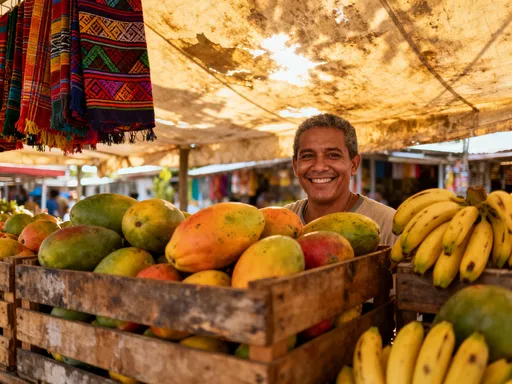
If temples represent the spiritual soul of Vientiane, its markets and streets reveal its daily heartbeat. The morning market near the river is a feast for the senses—and for the camera. Stalls overflow with ripe mangoes, purple yams, and bundles of fresh herbs. Women in conical hats arrange pyramids of dragon fruit and starfruit, their hands moving with practiced efficiency. The colors are vivid, the textures rich—perfect for close-up photography. A macro lens can capture the dew on a leaf, the rough bark of a tamarind pod, or the intricate weave of a bamboo basket.
One of the most photogenic corners is the fresh flower market. Every morning, farmers bring in marigolds, jasmine, and lotus blossoms, their petals still damp with dew. The flowers are arranged in concentric circles, creating natural patterns that beg to be photographed. The women who sell them often wear traditional silk scarves, their faces lined with years of sun and smiles. Asking permission with a simple smile and a nod often leads to a warm response—sometimes even a flower offered for a portrait. These small interactions transform a simple snapshot into a human connection.
Then there are the motorbikes—hundreds of them, weaving through traffic with a rhythm all their own. They carry entire families, stacks of furniture, or live chickens in wicker cages. Capturing them in motion requires timing and anticipation. A fast shutter speed freezes the action, while a slower one can create motion blur that conveys speed and energy. The key is to look beyond the chaos and find order—the way a child’s hand grips her father’s shoulder, the way a vendor balances a tray of drinks on her handlebars. These moments, fleeting and unposed, are the essence of street photography in Vientiane.
Golden Hours: Chasing the Best Light Across Districts
In photography, light is everything—and in Vientiane, the golden hours are nothing short of magical. Sunrise paints the city in soft pastels, while sunset bathes it in warm amber and rose tones. Patuxai, the city’s victory monument, is particularly striking at these times. Resembling a smaller Arc de Triomphe, it’s often overlooked by tourists, but when lit by low-angle sun, its intricate carvings and weathered stone come alive. Shooting from the nearby park allows for wide compositions that include trees and sky, while close-ups reveal the texture of time—cracks in the stone, lichen growing in the crevices.
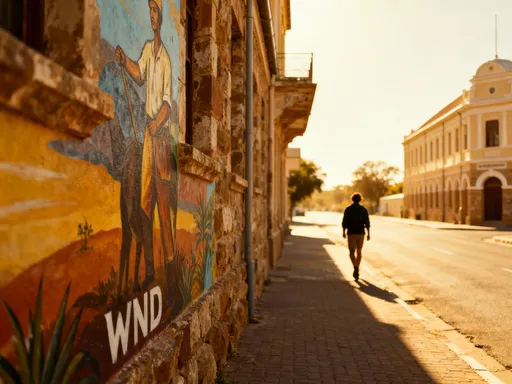
But the real magic happens in the residential districts. Quiet lanes lined with colonial-era buildings, their shutters painted in faded blues and greens, glow in the evening light. Palm trees frame the houses, their fronds backlit by the setting sun. These streets are rarely crowded, allowing for unhurried exploration. A 35mm or 50mm lens works well here, capturing both the architecture and the small details—a cat sleeping on a windowsill, a bicycle leaning against a wall, a clothesline strung between houses.
To make the most of these moments, timing is crucial. Mobile apps like PhotoPills or Sun Seeker can help predict sun position and golden hour duration, but they shouldn’t replace observation. The best photographs often come from simply being present, watching how light moves across a wall or how shadows lengthen over a courtyard. Technology can guide, but intuition and patience create the image. And when the light is right, even the most ordinary scene—a puddle reflecting a roof, a child chasing a ball—becomes extraordinary.
Hidden Corners: Off-the-Beaten-Path Spots Worth Finding
Beyond the well-trodden routes, Vientiane holds quieter treasures—places that don’t appear on most maps but offer some of the most authentic photo opportunities. One such area is the neighborhood near the presidential palace, where old French villas stand behind iron gates and bougainvillea-covered walls. These buildings, with their shuttered windows and tiled roofs, speak of a different era. Early morning light filters through the trees, casting dappled patterns on the pavement. A single open gate might reveal a courtyard filled with potted plants and a stone fountain—fleeting glimpses of private life.
Another hidden gem is the small art spaces tucked into unassuming storefronts. Run by local artists or expat collectives, these galleries showcase paintings, textiles, and sculptures that reflect Lao culture in modern forms. The interiors are often dimly lit, with spotlights highlighting individual pieces. Photographing here requires permission, but most owners are happy to allow it, especially if you show genuine interest. These spaces offer a chance to capture creativity in progress—artists at work, visitors pausing in front of a piece, the quiet concentration of a curator adjusting a frame.
The secret to finding these places? Talk to people. A café owner might mention a quiet temple down a side street. A tuk-tuk driver could point you to a morning alms-giving ritual not listed in guidebooks. These interactions not only lead to better photos but deepen your understanding of the city. Wandering with purpose—curious, respectful, and open—often yields the most memorable images. They may not be the ones you planned, but they’re the ones that stay with you.
Telling a Story: From Snapshots to Meaningful Cityscapes
Great photography isn’t just about sharp focus or perfect exposure—it’s about storytelling. In Vientiane, the story isn’t one of grand monuments or tourist spectacles. It’s found in the quiet moments: a monk walking barefoot on warm pavement, a woman balancing a basket on her head, the way light hits a temple roof at dawn. To capture this, photographers must shift from taking pictures to making images—each one contributing to a larger narrative.
Editing plays a crucial role. A consistent color palette—warm tones, soft contrasts—can unify a series and evoke the city’s gentle atmosphere. Selecting images that vary in scale and subject—wide cityscapes, medium street scenes, close-up details—creates rhythm and depth. Sequencing matters too: beginning with broad impressions, moving into daily life, and ending with intimate moments mirrors the way a traveler comes to know a place.
Equally important is ethical representation. Vientiane is not a backdrop for exoticism. Its people are not props. Every photograph should honor the dignity of its subject. This means asking permission when appropriate, avoiding sensationalism, and resisting the urge to stage scenes. Authenticity cannot be faked. When you approach photography with humility and respect, the images reflect not just what you saw, but how you felt.
Why Vientiane Stays With You
Vientiane doesn’t dazzle—it reveals. Slowly, quietly, frame by frame. It asks you to put down the itinerary, to step off the main road, to wait for the light. And when you do, it rewards you with moments of unexpected beauty: a child’s laughter echoing down an alley, the hush of a temple at dawn, the river glowing like liquid gold. These are not the kinds of images that shout from travel magazines. They’re the ones that linger in your mind, soft and true.
For photographers, especially those who value authenticity over spectacle, Vientiane is a rare gift. It teaches you to see differently—to notice the quiet, to honor the ordinary, to find grace in simplicity. In a world that often feels too loud, too fast, too crowded, this city offers a different rhythm. It reminds us that beauty doesn’t have to be loud to be powerful. That the most meaningful stories are often the quietest ones. So take your time. Walk slowly. Let the light guide you. And when you look through your lens, don’t just capture the city—let it capture you.