What If Your Workout Wasn’t Stealing Time—But Giving It Back?
We’ve all been there—hitting snooze because the thought of fitting in a workout feels like one more thing on an endless to-do list. You’re not lazy. You’re just busy. But what if exercising didn’t take more time… but actually gave you back energy, focus, and calm? Online fitness courses aren’t just about movement—they’re stealthy allies in reclaiming your schedule. Let’s talk about how to make them work *with* your life, not against it. Imagine starting your day with a 10-minute stretch that leaves you more alert than your morning coffee, or slipping in a quiet strength session after the kids are in bed—no gym bag, no commute, just you and your screen. That’s the quiet power of online fitness when it’s used the right way.
The Hidden Time Drain: Why “Fitting In” Fitness Often Fails
Let’s be honest—most of us don’t struggle with motivation because we don’t care about our health. We struggle because the traditional idea of fitness doesn’t fit into real life. Think about it: driving to a gym, changing clothes, waiting for class to start, driving back, showering—it adds up. For many women juggling work, kids, meals, and errands, that hour-long block feels impossible. And even if you do make it, you might show up exhausted, only to push through a class that doesn’t match your energy level. That’s not self-care—that’s another obligation.
Now, you might think online workouts solve this. But here’s the truth: if you treat them like gym classes—something you have to “fit in” at a specific time, with full gear and perfect focus—you’ll still feel the same pressure. The problem isn’t your schedule. It’s the mindset. We’ve been taught that exercise has to be long, intense, and separate from the rest of life. But what if it didn’t? What if you could move your body in ways that actually *support* your rhythm instead of fighting it? That’s where online fitness, used wisely, becomes more than just a substitute for the gym—it becomes a tool for reclaiming your time and energy.
I remember when I first tried online classes. I’d pick a 45-minute session at 7 p.m., convinced I was finally “doing it right.” But by the time I finished helping with homework, making dinner, and cleaning up, I was too drained. I’d skip it, feel guilty, then try again the next night—same result. It wasn’t until I shifted my thinking that things changed. I stopped asking, “When can I squeeze this in?” and started asking, “When do I actually have a moment to move—and how can I make it easy?” That small shift made all the difference.
Rethinking “Busy”: How Online Workouts Can Align With Your Natural Rhythm
Here’s something no one talks about enough: we all have natural energy peaks and dips. Some of us are sharpest first thing in the morning. Others don’t wake up until after 10 a.m. Some feel a burst of energy after dinner, while others are wiped out by 7 p.m. Your body isn’t broken if you’re not a morning exerciser—it’s just built differently. And online fitness gives you the freedom to work *with* that rhythm, not against it.
Think about your week. Is there a time when the house is quiet, the kids are occupied, or your mind feels clearest? Maybe it’s 20 minutes before your coffee brews. Or right after you fold laundry. Or during a quiet stretch after the kids go to bed. These aren’t “extra” hours—they’re hidden pockets of time that already exist. And when you match your movement to your energy, you’re not fighting fatigue. You’re riding the wave.
I have a friend who swears by her 5:30 a.m. yoga flow. She says it sets the tone for her whole day. Another friend does a 12-minute core video right after her lunch break—she calls it her “reset button.” Neither is “better.” They’re just tuned into their own rhythm. And that’s the beauty of on-demand classes: you’re not stuck with a schedule made for someone else. You get to choose when—and how—movement shows up in your life.
Plus, when you move at a time that feels natural, you’re more likely to stick with it. You’re not dragging yourself through a workout. You’re inviting your body to wake up, unwind, or recharge in a way that feels good. And that consistency—small, regular movement—is what actually leads to real results over time. It’s not about doing the hardest class. It’s about showing up, in your own way, on your own time.
The Trap of Over-Choice: Why Too Many Classes Lead to No Action
Let’s talk about the flip side of online fitness: too many options. When you open an app and see hundreds of classes—yoga, HIIT, Pilates, dance, strength, mobility—it can feel overwhelming. And that’s the problem. Choice overload doesn’t motivate us. It paralyzes us. Have you ever spent 15 minutes scrolling, trying to decide what to do, only to close the app and watch a show instead? You’re not alone. That’s not laziness. That’s decision fatigue.
Our brains aren’t built to make endless small choices, especially when we’re already tired. And fitness shouldn’t be another mental load. The goal isn’t to try every class. It’s to find a few that work for you and stick with them. Simplicity creates consistency. Think of it like your go-to outfits. You don’t pick a new one from scratch every morning. You have favorites that fit, feel good, and make getting dressed easier. Why not treat your workouts the same way?
Here’s what I do: I have a short playlist of three 15-minute classes I love. One is a gentle stretch for mornings when I’m stiff. One is a quick strength routine for days I need a boost. One is a calming yoga flow for evenings when my mind won’t shut off. When I’m ready to move, I don’t scroll. I pick one. No thinking. No pressure. It’s like muscle memory for my routine. And because it’s easy, I actually do it.
You can do the same. Pick two or three classes that match your goals and energy. Save them in a favorites list. Give them simple names like “Morning Wake-Up” or “Post-Dinner Reset.” The fewer decisions you have to make, the more likely you are to follow through. And over time, those small, no-fuss workouts add up to real change—without the stress of choosing.
Scheduling Smarter: The 5-Minute Planning Hack That Changes Everything
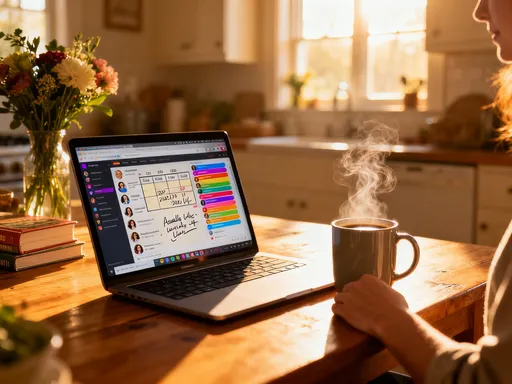
Here’s a simple truth: if you wait to “feel like” working out, it probably won’t happen. But if you plan for it—just a little—you increase your chances dramatically. The key isn’t rigid scheduling. It’s gentle intention. Every Sunday, I spend five minutes looking at my week. Not to plan every detail, but to spot a few natural “movement windows.” These are times when I know I’ll have a few minutes and some energy—like after I finish a work call, during a school pickup wait, or right after the kids’ bedtime.
I don’t write “Workout: 60 min” in my calendar. That feels too heavy. Instead, I jot down things like “Move after lunch Wed” or “Stretch before bed Thu.” It’s not a command. It’s a reminder that this moment exists—and I can use it to care for myself. And because it’s tied to something already in my day, it feels doable.
This tiny habit does something powerful: it turns fitness from a vague goal into a real part of my week. I’m not scrambling at 8 p.m., trying to figure out when I can fit it in. I’ve already decided—quietly, kindly—that I’ll take a few minutes for me. And when that moment comes, I’m more likely to open the app and press play.
You don’t need to plan every day. Start with two or three spots. Make them realistic. And if you miss one? No guilt. Just notice what happened and try again next week. The point isn’t perfection. It’s awareness. When you start seeing your week with movement in mind, you begin to spot opportunities you never noticed before. And that’s how small changes lead to big shifts.
Blending Fitness Into Daily Life: The “Invisible” Workout Strategy
What if your workout didn’t feel like a workout at all? That’s the idea behind “habit stacking”—pairing movement with something you already do every day. It’s not about adding more to your plate. It’s about weaving fitness into the moments you already have. For example, I do a quick 7-minute stretch video right after I brush my teeth at night. It’s become as automatic as flossing. I don’t have to decide. I just do it.
Other ways to stack: do a balance exercise while you’re waiting for your coffee to brew. Try a seated core series during your child’s piano lesson. Do a standing stretch while dinner preheats. These aren’t long sessions. They’re micro-moments of movement that add up. And because they’re tied to existing habits, they require almost no extra effort.
I have a friend who plays a 10-minute yoga flow while her rice cooker does its thing. Another does a quick strength video while her toddler watches a short show. These aren’t “perfect” workouts. But they’re consistent. And consistency—not intensity—is what builds strength, improves sleep, and boosts mood over time.
The beauty of this approach is that it removes the mental barrier. You’re not setting aside time. You’re using time you already have. And over time, these small acts of movement become part of who you are—not something you “have to do,” but something you naturally do. That’s when fitness stops feeling like a chore and starts feeling like self-care.
Avoiding Burnout: How to Spot the Signs and Adjust Before You Quit
Even with the best systems, there will be weeks when motivation dips. That’s normal. The key is learning to notice the signs before you drop out completely. Are you dreading your usual class? Skipping more than usual? Feeling stiff or irritable after workouts? These aren’t failures. They’re signals. Your body and mind are asking for a reset.
Burnout doesn’t always look dramatic. It can start small—a little resistance, a little guilt, a little “I’ll do it tomorrow.” But if you ignore it, it grows. The good news? You don’t have to push through. You can adjust. And online fitness makes that easy. If you’re tired of high-energy classes, try a slow stretch. If 30 minutes feels too long, switch to 10. If you need a break, take one. A mindful rest day—where you just breathe, stretch, or walk—counts as progress.
I’ve learned that sustainability beats intensity every time. There was a season when I was doing intense workouts five days a week. I felt great—for a while. Then I started dreading them. My shoulders ached. I was short with my kids. I realized I wasn’t honoring my body’s needs. So I scaled back. I switched to gentler classes. I took extra rest days. And slowly, my joy for movement came back.
Listen to yourself. If a class feels like a chore, try something different. If you’re tired, rest. If you’re bored, explore a new style. The goal isn’t to stick to one routine no matter what. It’s to stay connected to your body and keep moving in a way that feels good. That’s how you build a practice that lasts.
The Ripple Effect: When Fitness Time Becomes “You” Time
Here’s the part no one tells you: when you move your body in a way that fits your life, the benefits go far beyond physical health. You sleep better. You think more clearly. You feel calmer. You have more patience. And in a strange way, you actually gain time. Not because you’re doing more, but because you’re functioning better. That 15-minute workout didn’t take time from your day. It gave you back focus, energy, and emotional space.
I’ve had weeks when I thought I couldn’t spare a minute. But when I did, everything else flowed easier. I made dinner without rushing. I listened more to my kids. I didn’t feel that low-grade stress humming in the background. It’s not magic. It’s science. Movement reduces cortisol, boosts endorphins, and improves brain function. But you don’t need to know the biology to feel the difference. You just need to show up.
And over time, something shifts. Fitness stops being a task on your list. It becomes a moment of connection—with your body, your breath, your self. It’s not about looking a certain way. It’s about feeling present. When you move with kindness and consistency, you’re not just building strength. You’re building resilience, confidence, and peace.
So if you’ve been putting yourself last, waiting for the “right time,” I get it. But what if now is the right time—not because your schedule is perfect, but because you’re ready to reclaim your energy? Online fitness isn’t about adding more. It’s about moving in a way that supports your life. And when you do, you don’t lose time. You gain it back—in focus, in calm, in joy. That’s not just fitness. That’s freedom.