From Worry to Wonder: How Family Safety Apps Quiet the Mind and Fuel Growth
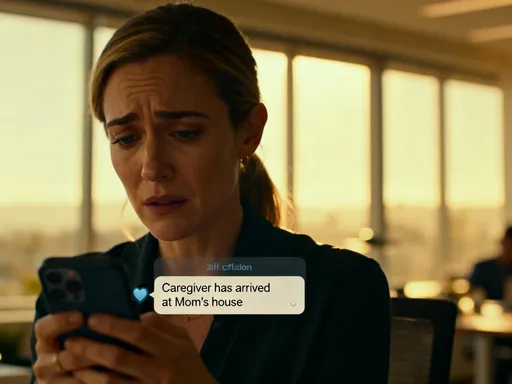
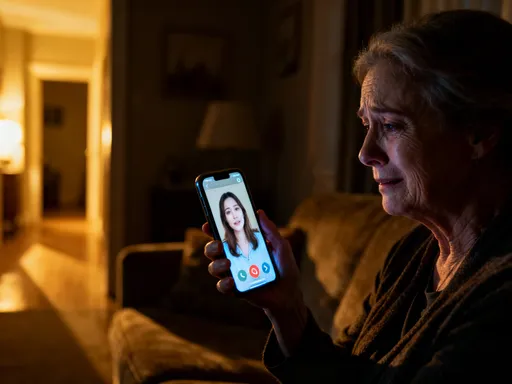
Parenting today often feels like walking a tightrope—balancing freedom and safety, trust and vigilance. You want your kids to explore, learn, and grow, but that knot in your stomach never quite loosens. What if the same devices that distract could also bring peace? I discovered that family safety apps aren’t just about location alerts—they quietly track progress, celebrate growth, and turn anxiety into empowerment. It’s not surveillance; it’s support, redefined. These tools don’t replace conversations—they make them easier. They don’t steal independence—they help build it. And for so many of us, they’ve become the quiet backbone of a calmer, more connected family life.
The Constant Hum of Modern Parenting Anxiety
Let’s be honest—most of us didn’t grow up with this kind of worry. We walked to school alone, spent afternoons at the park without check-ins, and called home from a payphone if plans changed. But today’s world feels different. Not because people are inherently less safe, but because information moves faster, risks feel more visible, and the weight of 'what ifs' stacks up silently in the background of every decision. You send your child to a friend’s house, and within minutes, your mind drifts: Are they really there? Is everything okay? Did they get distracted on the way? That low hum of anxiety isn’t paranoia—it’s love on high alert.
I remember one afternoon when my daughter was supposed to walk home from soccer practice. It was only a 15-minute route, nothing unusual. But when she didn’t walk through the door within 25 minutes, my heart started racing. Was she hurt? Did she forget to text? I grabbed my phone, opened the map, and—there she was, moving slowly along the sidewalk. She’d stopped to help a neighbor carry groceries. Relief washed over me, but so did something else: guilt. Why was I monitoring her like that? Then it hit me—this wasn’t about control. It was about knowing she was okay so I could stop imagining the worst. That moment changed how I saw technology. It wasn’t the enemy of trust; it could be its quiet ally.
The truth is, we don’t need more distractions. We need fewer worries. And when a simple notification can replace 20 minutes of frantic Googling or obsessive phone checking, it’s not just convenient—it’s liberating. The goal isn’t to eliminate all risk (because that’s impossible), but to reduce the mental clutter so we can show up fully in our lives. When we’re not constantly scanning for danger, we can actually enjoy the small moments—the laugh at dinner, the silly story before bed, the quiet pride when our kids do something brave or kind.
Beyond Tracking: When Safety Apps Become Growth Companions
We tend to think of safety apps in the most basic terms—'Where is my child?' or 'Did they get home yet?' But what if we started seeing them differently? What if, instead of just tracking location, we used them to track growth? That shift in mindset changes everything. One mom I spoke with shared how she noticed her son, who used to struggle with time management, was now arriving at his after-school job five minutes early every day. She didn’t scold him for past lateness—she celebrated the change. 'I told him, “Look at how responsible you’ve become,”' she said. 'He didn’t even know I could see that. But it meant so much to him that I noticed.'
These apps don’t just show movement—they reveal patterns. When your daughter starts spending 30 minutes at the library after school, or your son begins visiting the community center regularly, those aren’t just dots on a map. They’re signs of independence forming. They’re quiet evidence that your child is building routines, making choices, and growing into someone capable. And the beauty is, you don’t have to pry or interrogate. You can simply say, 'I saw you’ve been going to the art studio after class—how’s that going?' That kind of observation, rooted in care rather than suspicion, opens doors to real connection.
Think of it like a journal you don’t have to keep. The app quietly logs the moments that matter: the first time your teen gets to a doctor’s appointment alone, the day your middle-schooler remembers to stop by the pharmacy on the way home. These are milestones, even if they’re not marked with cake or balloons. And when we start seeing them that way, the app stops being a tool for control and starts being a mirror for progress. It’s not about watching every move—it’s about witnessing growth in real time.
Building Trust Through Transparent Use
Here’s the thing: if your child finds out you’re using a safety app without their knowledge, it can damage trust fast. I learned this the hard way. At first, I used the app quietly, telling myself I was just being cautious. But when my oldest found out, she was hurt. 'You don’t trust me,' she said. And in that moment, I realized she was right—not because I was doing something wrong, but because I hadn’t included her in the decision. So we had a conversation. We sat at the kitchen table, phones in hand, and talked about why I wanted the app, what it did, and how we could use it together.
We made agreements: she could pause location sharing when she was with friends, she’d have full access to her own data, and I promised not to check unless I hadn’t heard from her for an unusual amount of time. We even set up a 'quiet mode' for sleepovers and movie nights. That transparency changed everything. Instead of feeling watched, she started feeling supported. And over time, something surprising happened—she began sharing her plans proactively. 'Mom, I’m going to study at Maya’s. You can turn on location if you want.' That wasn’t compliance. That was trust in action.
Using these tools openly isn’t just about avoiding conflict—it’s about modeling healthy digital behavior. We teach our kids to be honest, respectful, and responsible. When we use technology the same way—with clarity, consent, and care—we’re showing them how to navigate the digital world with integrity. It’s not about having all the answers. It’s about walking through the questions together.
Turning Data Into Daily Wins
One of the most powerful things about family safety apps is how they turn invisible effort into visible progress. Think about it: how often do we miss the small wins because they don’t come with fanfare? Your child walks to school without being reminded. They stay focused during homework time. They choose to spend time at the library instead of scrolling online. These moments matter—but they’re easy to overlook. The app, in its quiet way, captures them.
A dad I know started using location history to understand his son’s after-school routine. At first, he noticed gaps—long stretches at home, no movement. He was concerned. But instead of jumping in, he waited. Then, over a few weeks, he saw a change: his son began going to the community center regularly. One day, he said, 'I saw you’ve been at the center a lot—what’s going on there?' That opened up a conversation about a robotics club he’d joined. The dad hadn’t known about it. But because he approached it with curiosity, not suspicion, his son lit up. 'Yeah! We’re building a robot for a competition,' he said. That moment of connection wouldn’t have happened if the dad had just asked, 'What are you doing after school?' The data gave him a better question—one rooted in what he already knew.
These aren’t just wins for kids. They’re wins for parents, too. Every time you see a pattern of responsibility forming, it’s a reminder that your parenting is working. You don’t need a report card to see it. You see it in the app’s timeline: your daughter arriving early to dance class, your son spending an hour at the gym after school. These are the building blocks of confidence, independence, and self-discipline. And when we notice them, celebrate them, and reflect them back, we reinforce them. Growth isn’t always loud. Sometimes, it’s a single notification that says, 'Arrived at tutoring.'
Calm for the Caregiver, Confidence for the Child
Here’s something no one talks about enough: peace of mind is contagious. When parents are less anxious, kids feel it. They breathe easier. They take more risks—not reckless ones, but healthy ones. Trying out for the school play. Asking a classmate to study together. Walking to the store alone for the first time. These moments of courage happen more often when kids know they’re supported, not smothered.
One mom told me her daughter used to call every 10 minutes when she was out. 'Where are you? Are you safe?' Now, with a shared safety app, the calls have decreased. 'She knows I can see she’s okay,' the mom said. 'And that’s enough.' That doesn’t mean the connection is weaker—it’s stronger, because it’s based on trust, not fear. The app isn’t replacing communication. It’s making space for better communication—less panic, more presence.
And for caregivers, the relief is real. Instead of spending hours wondering, checking, imagining the worst, we can redirect that energy into being present. We can listen more deeply, laugh more freely, and engage more fully. That shift—from reactive worry to proactive calm—changes the tone of family life. It’s not about being perfect. It’s about being peaceful. And when we’re at peace, our kids learn that the world isn’t something to fear—it’s something to explore.
Choosing the Right App: Simplicity Over Features
Not all safety apps are created equal. Some are packed with features that feel more like spyware than support. Flashy dashboards, keystroke tracking, social media monitoring—these don’t build trust. They erode it. The best apps are the ones that feel natural, unobtrusive, and respectful of privacy. Look for ones that offer shared access, customizable alerts, and easy opt-in or opt-out options. The goal isn’t to monitor every second—it’s to have peace when it matters.
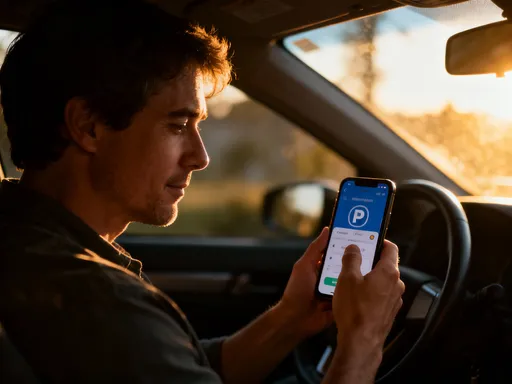
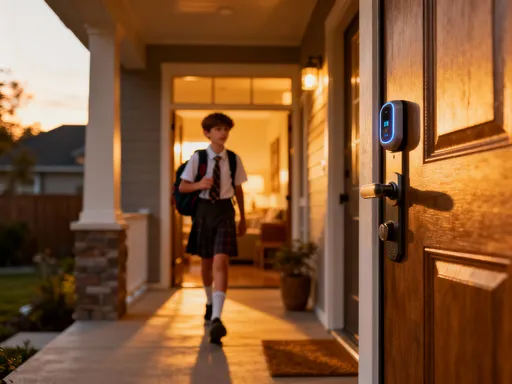
I’ve tried a few over the years, and the one my family uses now is simple: it shows location in real time, allows us to set geofenced alerts (like 'Arrived at School' or 'Left Practice'), and lets us share schedules. That’s it. No deep data mining. No invasive tracking. It doesn’t collect more than it needs. And because it’s straightforward, we actually use it—without resistance, without resentment. The kids know how it works. They feel in control. And when an alert comes in, it’s helpful, not stressful.
Another thing to consider: privacy. Make sure the app you choose is transparent about how it stores and uses data. Does it encrypt information? Can you delete data easily? Is it owned by a company with a strong track record on user privacy? These aren’t just technical details—they’re trust builders. When your child knows their data is safe and respected, they’re more likely to embrace the tool as part of family life, not a threat to their autonomy.
Raising Capable Humans, One Quiet Update at a Time
At the end of the day, parenting isn’t about keeping our kids safe forever. It’s about preparing them to be safe, smart, and strong on their own. Every time they make a good choice, show up on time, or try something new, they’re practicing independence. And every time we see that—and honor it—we’re reinforcing it. The quiet updates from a safety app aren’t just dots on a screen. They’re proof that growth is happening. They’re the small, steady signs that our kids are becoming the people we hope they’ll be.
And for us? They’re a gift. A chance to worry less and wonder more. To stop imagining the worst and start celebrating the real. To replace fear with faith—in our kids, in our choices, in the process of growing up. Technology, when used with intention and heart, doesn’t replace the human parts of parenting. It enhances them. It gives us space to breathe, to connect, to be present.
So if you’ve been hesitant about using a safety app, I get it. I was too. But what if it’s not about control? What if it’s about care? What if it’s not about watching, but about witnessing? The soft chime of a check-in notification might not seem like much. But for a parent’s heart, it can be the sweetest sound of all—a quiet reminder that your child is okay, growing, and becoming their own person. And that, more than anything, is something to celebrate.