More than price tags: Apps that helped me capture life’s quiet moments while shopping smarter
Have you ever stood in a store aisle, comparing prices on your phone, only to realize you missed a fleeting moment—your child’s first word, a sunset, a laugh between friends? I did. For years, I chased deals with every tap, but something felt off. Then I discovered that the best price comparison tools do more than save money—they give back time and attention. This is the story of how one simple tech habit quietly reshaped my days, not just at checkout, but in the in-between moments I never wanted to miss again.
The Overlooked Cost of Smart Shopping
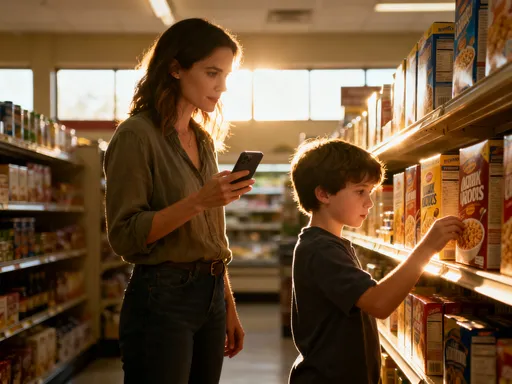
Back when I thought I had it all figured out, I carried my phone like a badge of honor in every grocery store. I’d scan barcodes, flip between apps, and stack digital coupons until I felt that little rush of victory—another dollar saved. I told myself I was being responsible, frugal, even clever. But slowly, I started to notice something that made my heart ache a little. I was missing things. Not big things, not dramatic things—just quiet, beautiful moments that made up the fabric of my days.
Like the time my daughter held up a bright red apple and said, “Look, Mama!” with that wide-eyed wonder only toddlers have. I was too busy checking if we could get it cheaper at another store to really see her face. Or the golden-hour light that poured through the kitchen window one Tuesday evening, turning the wooden table into something warm and glowing. I didn’t notice it because I was hunched over my phone, comparing olive oil prices. And once, I even missed a text from my best friend—the kind that says, “I’m thinking of you,” out of the blue—because I was deep in a deal-tracking rabbit hole.
It hit me one rainy afternoon: I was using technology to save money, but losing something far more precious—my presence. The constant tapping, the mental load of tracking every discount, the anxiety of missing out on a sale—it all added up to a kind of quiet exhaustion. I wasn’t just distracted; I was disconnected. From my family, from my surroundings, from the little joys that don’t come with price tags. That’s when I realized the real cost of hyper-efficient shopping wasn’t measured in dollars. It was measured in moments. And I didn’t want to keep paying it.
A Shift in What “Value” Means
Everything started to change when I stumbled upon a different kind of price comparison app—one that didn’t demand my constant attention. At first, I wasn’t sure what to make of it. It didn’t bombard me with notifications or push me to check prices every few hours. Instead, it worked quietly in the background. I’d add items I regularly bought—like laundry detergent, coffee, or my son’s favorite snack—and the app would track them. Only when there was a meaningful price drop would it send a simple alert: “Your granola bars are $1.20 off at MarketFresh.” That’s it. No pressure. No noise.
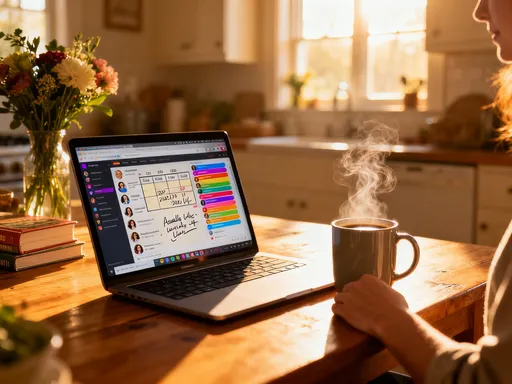
At first, I missed the thrill of the hunt. I’d catch myself opening the app out of habit, scanning for deals, only to close it again. But then something unexpected happened. I started noticing more. I looked up more. I remembered to taste my coffee instead of just gulping it down while checking my phone. One morning, I actually watched the steam curl up from my mug and caught the way the sunlight hit the rim of the cup. I took a photo—just a quick snap—and saved it. Not because it was perfect, but because it felt real.
That’s when I began to redefine what “value” meant to me. It wasn’t just about saving $3 on dish soap. It was about gaining back ten minutes to sit with my son while he drew a wobbly picture of our dog. It was about having the mental space to remember to call my mom just to say hi. The app wasn’t just saving me money—it was giving me time. And time, I realized, was the one thing I couldn’t buy back. This small shift in how I used technology didn’t just change my shopping habits. It changed how I moved through my days. I wasn’t just a saver anymore. I was becoming someone who noticed.
When Tools Remember So I Don’t Have To
One feature of the app slowly became my favorite, though I didn’t even know I needed it: smart reminders tied to my shopping list. It wasn’t flashy, but it felt thoughtful. For example, I added whole-bean coffee to my list one Sunday. A few days later, I got a gentle nudge: “Price stable this week. Maybe enjoy your morning cup before it gets cold?” It wasn’t just useful—it felt kind. Like the app wasn’t just tracking prices, but also checking in on me.
That little message made me pause. Instead of rushing through my morning, I actually sat down. I wrapped my hands around the warm mug, watched the steam rise, and listened to my son babbling in the next room. And again, I took a photo. Not for social media, not for anyone else—just for me. That moment stayed with me, not because it was extraordinary, but because I was actually there for it.
Over time, I began to notice a pattern. The more the app handled the little tasks—remembering prices, watching for drops, sending timely alerts—the more mental space I had for the things that mattered. I wasn’t constantly switching between screens and reality. I could stay in the moment. I started taking more photos of ordinary things: my dog curled up in a patch of sunlight, my daughter’s shoes kicked off by the door, the way raindrops clung to the window after a storm. These weren’t staged or filtered. They were real, messy, and beautiful. And because I wasn’t buried in my phone trying to find a deal, I was free to capture them.
Technology, when it works like this, stops feeling like a distraction. It becomes a quiet support. It remembers so I don’t have to. And in doing so, it gives me back the gift of attention—the ability to look up, to notice, to remember.
Building Habits That Serve Both Wallet and Heart
Habits are funny things. They start small, almost invisible, and then one day you look up and realize they’ve shaped your life. My new shopping rhythm was simple: scan an item once, add it to my list, and let the app do the rest. No more daily price checks. No more last-minute store-hopping. Just trust. And slowly, that small change rippled out into the rest of my life.
I went to the store less often, which meant fewer rushed trips with a hungry toddler in the cart. I made fewer impulse buys because I wasn’t reacting to flashy in-app deals. My grocery budget became more predictable, which took a surprising amount of stress off my shoulders. But the biggest change wasn’t financial—it was emotional. With less mental clutter, I found I had more patience. More presence. More room in my heart for the people I loved.
I remember one evening, sitting at the dinner table with my family. My son was smearing peas across his tray, my husband was telling a story, and instead of reaching for my phone to check a price or reply to an email, I just stayed there. I watched the way my son’s cheeks puffed when he laughed. I noticed the way my husband’s eyes crinkled when he smiled. And I took a photo—quietly, without interrupting the moment. Later, I saved it with a note: “Dinner, May 12. We were all here.”
That’s the thing about reducing friction in one part of life—it creates space in others. When shopping stopped being a chore that drained me, it stopped draining my energy from everything else. I became more present not because I tried harder, but because I was less distracted. The app didn’t just help me spend wisely. It helped me live more gently.
The Unexpected Joy of Slowing Down
Here’s something I never expected: the more efficient my shopping became, the more I craved slowness. It felt counterintuitive at first. Shouldn’t faster tech make me want to move faster? But the opposite happened. Because I knew my essentials were being watched—because I trusted the app to alert me when it was time to buy—I felt free to slow down. I didn’t have to rush. I didn’t have to check. I could just be.
So I started walking through the farmers’ market on Saturday mornings without my phone in my hand. I’d let my son pick out a bouquet of sunflowers, chat with the woman who grew them, and take photos of the colorful displays—plump tomatoes, bundles of herbs, jars of honey with golden labels. I’d save those photos alongside my digital receipts in a little folder I called “Life & Lists.” One day, I snapped a picture of a handwritten sign that said, “Heirloom Tomatoes—$3/lb.” Next to it, I took one of my son grinning, holding a giant sunflower like a trophy. Same trip. Same moment. But one was a transaction, and the other was a memory.
That’s when I realized something powerful: technology doesn’t have to pull us away from life. When it’s designed with care, it can actually bring us closer. It can handle the logistics so we can focus on the laughter, the connections, the quiet beauty of an ordinary day. I wasn’t just buying groceries anymore. I was collecting moments. And the app, in its quiet way, was helping me do both.
Sharing Savings, Not Just Screen Time
I introduced the app to my sister one evening over a glass of tea. I didn’t lead with the savings. I didn’t talk about the features. I said, “It gives me back my attention.” She looked at me like I was overselling it. But a week later, she texted: “I got your granola bar alert. Went to the store. And you know what? I actually saw a rainbow on the way home.”
We started sharing more than deals. We’d send each other photos—her son blowing out birthday candles, my garden after the first spring rain, her dog wearing a silly hat at a pet parade. Our message thread became a mix of receipts and memories. “Got the coffee beans on sale,” one text read. “Also, my heart is full today,” said another.
It wasn’t just about saving money anymore. It was about staying connected. About reminding each other to look up, to notice, to be present. We weren’t just sharing discounts—we were sharing lives. And the app, which started as a simple tool, became a bridge. It didn’t replace our conversations. It made space for them. Because when we weren’t both buried in our phones chasing deals, we were free to share the things that really mattered.
Technology That Fits Life, Not Controls It
Looking back, the tech that made the biggest difference in my life wasn’t the flashiest. It wasn’t the one with the most features or the loudest ads. It was the one that knew when to step back. The best tools don’t demand our attention—they return it. They don’t make us faster for the sake of speed. They make us more human by giving us back the time to be still, to connect, to notice.
Today, I don’t measure a good day by how much I saved. I measure it by how much I saw. Did I catch my daughter’s giggle when she saw the cat jump onto the couch? Did I taste my food instead of just eating it? Did I take a photo of the way the light fell through the trees on my walk? These are my new metrics. And they matter more than any discount.
The right technology doesn’t take over your life. It fits into it—quietly, gently, like a well-worn apron in the kitchen. It helps you care for your family, your home, yourself—without asking for constant attention in return. It supports your values, not just your budget. And when it does that, it doesn’t just make life easier. It makes it richer.
So if you’re still scrolling through deals while your child builds a block tower, or comparing prices while the sun sets outside your window, I get it. I was there. But I also know there’s another way. A way where tech serves you, not the other way around. A way where saving money doesn’t mean losing moments. Where efficiency doesn’t come at the cost of presence.
Because the truth is, the most valuable things in life don’t come with price tags. They come in glances, in laughter, in quiet mornings with a warm cup of coffee. And sometimes, the best tech isn’t the one that shouts the loudest—but the one that helps you hear the whispers.