Tired of Playing Phone Tag About Mom’s Medication? How One App Brought Our Family Back in Sync
Remember that moment when you’re standing in the grocery store, phone pressed to your ear, trying to confirm your mom’s next doctor’s appointment—only to realize no one in the family actually knows the date? Or when your brother texts last minute, “Did Dad start that new blood pressure med?” and no one can remember? I’ve been there. More than once. Like so many families, we were drowning in missed calls, overlapping voicemails, and Post-it notes stuck to the fridge with zero context. We loved our parents deeply, but keeping track of their health felt like trying to solve a puzzle with half the pieces missing. Then everything changed—not because someone moved closer or quit their job, but because we started using one simple online health tool. It didn’t fix aging or erase illness. But it gave us something just as precious: peace of mind, shared responsibility, and the quiet joy of feeling like we were finally in sync.
The Daily Chaos No One Talks About
It starts small. A missed refill. A vague comment from Mom: “The doctor said something about my sugar.” A calendar invite buried in someone’s inbox. No one means to drop the ball. But when health information lives in five different phones, two email accounts, and one aging parent’s notebook that no one can read, things slip. And when they do, the weight lands hard on the person who happens to answer the phone first.
For us, that person was usually my sister, Claire. She lived closest to our parents, so by default, she became the family’s unofficial care coordinator. Every call from Mom’s primary care office went to her. Every prescription change, every lab result, every “I think I need to see a specialist” comment—Claire absorbed it all. At first, she didn’t mind. But over time, the mental load wore her down. She’d wake up to seven new texts, panic about a medication she’d never heard of, and spend her lunch break calling pharmacies and doctors’ offices, trying to piece together what was going on.
I remember one Saturday morning when the chaos peaked. Dad had a cardiology appointment at 10 a.m., but Mom thought it was at 11. Claire was already at the office with Dad, but my brother, Mark, showed up at the house at 10:30, confused and frustrated. Meanwhile, I was on a conference call when my phone blew up with messages: “Is the cardiologist Dr. Patel or Dr. Lee?” “What meds did he pick up?” “Why did they change the dosage?” I had no answers. None of us did. We were all working from different scraps of information, none of it complete, none of it shared.
That day ended with Dad missing a key test because the referral wasn’t processed, and Mom accidentally doubling her blood pressure medication because no one had updated the fridge list. No one was hurt, but the guilt was heavy. We weren’t failing because we didn’t care. We were failing because we were trying to manage something deeply important with tools that just weren’t up to the task. We needed something better than texts, calls, and memory. We needed a system.
How We Accidentally Found a Better Way
The shift started quietly. Claire, exhausted and looking for a way to streamline things, signed Mom up for a telehealth visit. While setting up the account, she noticed an option: “Invite family members to view care plan.” She hesitated. Was this overstepping? Would Mom feel like we were taking control? But she clicked it anyway and added me and Mark as “care partners.”
At first, nothing happened. Mom didn’t log in. We didn’t push it. But a few weeks later, after another mix-up with a prescription, Mom called Claire and said, “Maybe that thing you set up—can you show me how it works?”
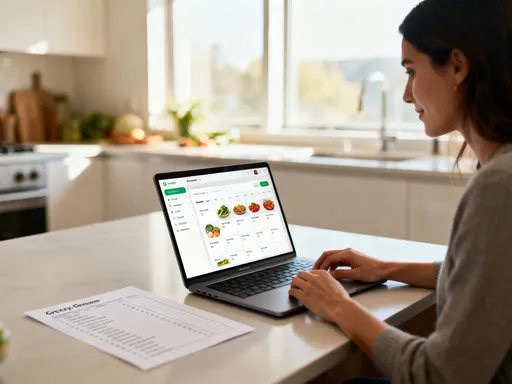
We gathered around the kitchen table one Sunday afternoon, laptops open, phones charging. Claire pulled up the platform. There it was: Mom’s full medication list, with dosages, times, and even photos of the pills. Upcoming appointments were listed with locations, provider names, and notes like “discuss kidney function test results.” Past visits had summaries: “Dr. Liu recommends reducing sodium intake and increasing walking to 30 minutes daily.”
Mark leaned in. “Wait—so you’re telling me I can see this from my phone? Even if I’m at work?”
“Yes,” Claire said. “And if something changes, we all get notified.”
I remember the moment it clicked for me. I saw that Dad’s last blood pressure reading was flagged as high. The app suggested a follow-up. I didn’t have to call anyone to ask what was going on. I could just see it. And I could act—gently, calmly—by texting Dad: “Hey, saw your last reading was up. Want me to call the clinic and ask if we should move up the appointment?”
No panic. No blame. Just care. That was the moment I realized this wasn’t just a tool. It was a lifeline.
What “Sharing Health” Actually Looks Like in Real Life
People hear “shared health platform” and think it’s only for emergencies. But the real magic happens in the mundane. It’s not about crisis management. It’s about daily peace.
Take last Tuesday. Dad logged his morning blood pressure as he always does—just a quick tap on the app. The number was slightly elevated, nothing alarming, but the app noticed a trend over the past week. It sent a gentle alert to Claire and me. I saw it during my coffee break. Instead of ignoring it or assuming someone else would handle it, I called Dad: “Your numbers have been a little high. Want me to check if Dr. Liu wants to adjust anything?” He said yes. I used the app’s secure messaging to send a quick note to the care team. By lunchtime, we had a reply: “No med change needed, but please schedule a follow-up in two weeks.”
No phone tag. No waiting for office hours. No anxiety.
Mom uses it differently. She goes to physical therapy every Wednesday. She shares the appointment details with Mark, who lives three hours away. After each session, she adds a quick note: “Felt good today. Did the new exercises.” Mark sets a reminder to call her afterward. He says it makes him feel connected, like he’s part of her progress even when he can’t be there.
And when prescriptions change? No more guessing. The pharmacy uploads the update directly to the platform. The app shows the old med, the new one, and why the change was made—written in plain language, not medical jargon. We all get a notification. We all know. No one is left in the dark.
Privacy was a big concern at first. We were careful. Mom controls who sees what. She decided Claire and I can view all medical info, but Mark only sees appointments and meds—nothing about test results or diagnoses unless she chooses to share. That balance gave her comfort. She didn’t feel exposed. She felt supported.
Breaking Down the Walls Between Doctors and Dinner Tables
One of the hardest parts of caring for aging parents is the gap between visits. You leave the doctor’s office with a head full of notes, but by the time you get home, half of it is forgotten. And if you weren’t there, you’re completely out of the loop.
This platform changed that. After every appointment, the care team uploads a summary—written clearly, with no confusing terms. “Your A1C is improving,” one note said. “Keep doing what you’re doing.” Another explained why a new med was added: “To help protect your kidneys as your diabetes management continues.”
These summaries became part of our family rhythm. We’d read them together over Sunday dinner. Not in a heavy, medical way—but like catching up on news. “Look, Mom, your numbers are better!” “Dad, the doctor noticed your walking’s improved. That’s great.”
But it went further. Because we could see the plan, we could prepare better questions. Before Dad’s last visit, we noticed his cholesterol was creeping up. We used the app to message the care team: “Can we talk about diet changes at the next visit?” The doctor appreciated it. “I love that you’re paying attention,” she said. “It helps me focus on what matters most to you.”
That shift—from passive recipients to active partners—changed the dynamic. The doctors started expecting our input. They’d ask, “What questions do you have from the last summary?” or “How’s the new med working at home?” It made care more personal, more responsive. And it made us feel like we weren’t just visitors in the process—we were part of the team.
The Unexpected Gift: More Time, Less Guilt
Before this, Claire was drowning. Not because she was bad at organizing, but because she was doing it all alone. The mental load of care—the remembering, the calling, the worrying—was hers by default. She’d apologize constantly: “Sorry I missed your text,” “I forgot to tell you about the lab results,” “I didn’t mean to snap, I’m just so tired.”
What we didn’t realize was how much emotional labor was tied to that load. It wasn’t just about tasks. It was about carrying the weight of responsibility while everyone else stayed comfortably unaware.
When we all got access to the platform, something shifted. The responsibility became visible. Tasks weren’t invisible anymore. When Mom had a test scheduled, it showed up on all our calendars. When Dad needed a ride, we could see it and offer help. No more assumptions. No more guilt.
Claire told me recently, “I finally stopped apologizing for forgetting things. Because now, I’m not expected to remember everything. We all see it. We all share it.”
Mark said something that stuck with me: “I feel useful, even from 300 miles away. I’m not just the brother who shows up for holidays. I’m part of the daily care.”
That’s the real win. The app didn’t replace love or presence. It made care sustainable. It gave us back time—time to listen, to laugh, to just be with our parents instead of constantly managing them.
Making It Work for Your Family: Simple Steps to Start
If you’re thinking, “This sounds great, but how do we even begin?”—you’re not alone. We felt the same way. The good news? It’s simpler than you think.
First, choose a platform that supports family access. Look for one that’s easy to use, secure, and designed for real life—not just for tech lovers. Many health systems now offer patient portals with family sharing options. If yours doesn’t, ask about it. You’d be surprised how many are adding these features because families like ours are asking for them.
Next, start small. You don’t need to upload every medical record on day one. Begin with a shared medication list. Or a calendar of upcoming appointments. Let everyone get comfortable with the idea of seeing information in one place.
Now, the hardest part: talking to your parents. It’s natural to worry they’ll feel like you’re taking over. So frame it differently. Say, “This isn’t about control. It’s about making sure we’re all on the same page so no one has to carry the load alone.” Show them how it works. Let them decide who sees what. Give them control. That respect goes a long way.
And if they say no? Don’t push. Wait. Try again in a few weeks. Sometimes, it takes a small crisis—a missed dose, a confusing test result—for the value to become clear.
Set boundaries early. Decide as a family who gets access to what. Maybe one sibling sees everything, others see only appointments. That’s okay. The goal isn’t full transparency—it’s shared support.
And remember: this isn’t about replacing phone calls or family time. It’s about making those moments better. When the logistics are handled, you can focus on what really matters—being together.
Beyond Convenience: How Tech Can Deepen Family Bonds
I used to think technology in family care was cold. Impersonal. Like we were reducing love to data points and notifications. But I was wrong.
What I’ve learned is that when the noise of logistics fades, the signal of connection grows stronger. Because we’re not spending dinner arguing about medication schedules, we can actually enjoy dinner. Because we’re not frantically texting before a doctor’s visit, we can walk into the room calm and prepared.
One night, I was scrolling through the app before visiting Dad. I saw his latest progress note: “Patient reports increased energy. Walking 20 minutes daily with wife.” I smiled. Not because of the data—but because I could picture them: Mom and Dad, hand in hand, walking down the quiet street at sunset.
Last month, Mom posted a photo from rehab—a picture of the little garden outside her window, blooming with purple flowers. She wrote, “My view today.” Mark saw it and called her right away. “Mom, that’s beautiful. Tell me about it.” They talked for twenty minutes—not about meds or tests, but about flowers, soil, and how the light hits the petals in the morning.
That’s the gift. The app didn’t create that moment. But it made space for it. It took the weight off our shoulders so we could be present in our hearts.
So yes, this tool helped us track medications, manage appointments, and stay informed. But more than that, it reminded us what family care is really about: showing up, together, in the everyday. It gave us back time, peace, and the quiet confidence that we’re not failing—we’re doing our best, as a team.
If you’re tired of playing phone tag, of sticky notes, of guilt and confusion—know this: there’s a better way. It’s not flashy. It’s not perfect. But it works. And it’s within reach. You don’t need to move closer, quit your job, or become a medical expert. You just need to start—today—by sharing one piece of information, one calendar event, one small step toward being in sync. Because when we care together, we heal together. And that’s a connection no app could ever replace—but one that’s so much easier to nurture when we’re all on the same page.