I kept saying ‘I’ll set it up someday’—this is how I finally built a family safety net that works
You know that nagging worry—when your parents are home alone, or your sibling is traveling, and you’re not there to check in? I used to tell myself, “I’ll deal with it later.” But after a late-night call that could’ve been avoided, I realized peace of mind doesn’t come from luck. It comes from planning. And surprisingly, the right tech made it simple. This isn’t about complicated systems or expensive gear—it’s about smart, small steps that actually work. I’m not a tech expert. I don’t have time to manage dashboards or learn coding. But I do care deeply about my family. And over the past few years, I’ve built something that gives us all a little more breathing room, a little less fear, and a lot more connection. This is how we did it—without stress, without drama, and without turning our lives upside down.
The Moment Everything Changed
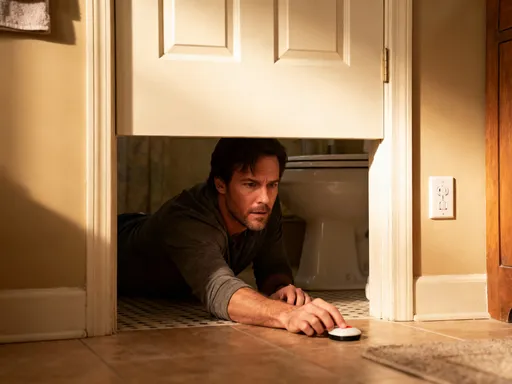
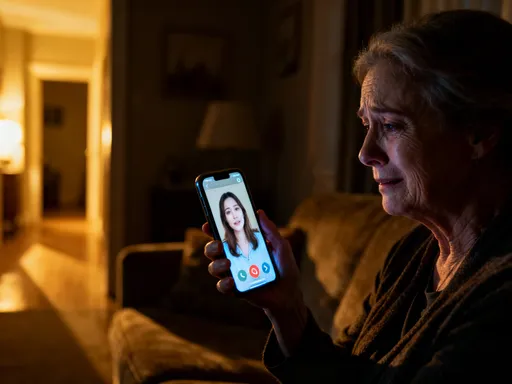
It was 2:17 a.m. when my phone rang. Not a text. Not a missed call. A full-on ring, the kind that means someone is standing on the other end, waiting. It was my brother, voice tight, saying, “Mom fell. She’s on the floor and can’t get up.” I’ll never forget the way my chest tightened, how my hands shook as I tried to call an ambulance while searching for her address, unsure if she was alone, what meds she’d taken, or whether the front door was even unlocked. The ambulance arrived in time. She was okay—thank goodness—but she’d been lying there for over an hour. No one knew. No one checked.
That night changed everything. Not because it was the first time I worried about her—it wasn’t. She lives alone now, since Dad passed, and while she’s strong and independent, she’s in her seventies. We talk every few days, but “every few days” isn’t enough when something happens in between. I kept thinking: this didn’t have to be so hard. There had to be a better way. Not something invasive, not something that made her feel watched or controlled, but a gentle, quiet system that could help us all breathe easier. I didn’t want surveillance. I wanted support. And I realized that waiting for the “perfect moment” to set it up was part of the problem. The perfect moment never comes. But the right moment? That one arrived at 2:17 a.m., and it lit a fire under me.
What I learned in the days after wasn’t just about emergencies—it was about connection. We had love, yes. We had care. But we didn’t have structure. We didn’t have simple tools in place that could act as a soft safety net. And I decided that had to change. Not tomorrow. Not “someday.” Now.
Why “Someday” Never Comes
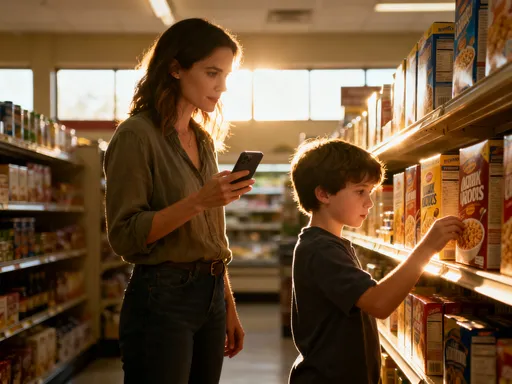
How many times have you said, “I’ll look into that later”? I’ve lost count. We tell ourselves we’ll set up a family group chat, track our parents’ medications, or figure out how to share locations—“when things slow down.” But life doesn’t slow down. And the longer we wait, the heavier the mental load becomes. I used to think building a safety system meant buying expensive gadgets, learning how to use apps I didn’t understand, or turning my home into a smart house straight out of a movie. That image felt overwhelming. It felt like work. So I put it off.
But here’s what I’ve learned: security doesn’t have to be high-tech to be effective. In fact, the most powerful tools are often the simplest. The real barrier wasn’t the technology—it was my mindset. I was waiting for a big, dramatic solution when what I really needed was small, consistent steps. Once I reframed “family safety” not as a project, but as a series of everyday habits, everything shifted. It wasn’t about installing ten cameras. It was about making one phone call. It wasn’t about mastering an app. It was about sharing a calendar. It wasn’t about control. It was about care.
And that’s when I realized: peace of mind isn’t built in a day. It’s built in moments—small choices that add up. The myth of “someday” keeps us stuck because it makes us believe we need the perfect plan, the perfect time, or the perfect tech. But real life doesn’t work that way. Real life is messy. Phones die. People forget. Plans change. And that’s okay. What matters is starting—anywhere, anyhow—because even a tiny step forward is better than standing still, hoping nothing goes wrong.
Starting Small: My First Real Step
I didn’t start with alarms or sensors. I started with something I already used every day: a calendar. Not a paper one. A shared digital calendar—Google Calendar, to be exact. I created a family view and invited my siblings, my mom, and my aunt, who helps with check-ins. At first, it was just for birthdays and holidays. But then I added little things: Mom’s doctor appointments, my brother’s flight times when he traveled, my niece’s piano recitals. Then I added reminders—“Call Mom,” “Check in with Aunt Linda,” “Medication review Sunday.”
Within weeks, it became our invisible glue. My brother saw Mom’s appointment and texted her afterward to ask how it went. I noticed she had a dentist visit and made sure someone could drive her. It wasn’t about control. It was about awareness. And that awareness made us all feel more connected. The best part? No one had to do anything extra. No downloads. No training. Just a quick glance at their phone in the morning. That calendar became the quiet backbone of our family’s well-being.
Here’s the thing about small steps: they build confidence. Once I saw how much a simple calendar helped, I started wondering what else might work. But I didn’t rush. I waited. I observed. And when the next idea came—location sharing—I introduced it gently, with a conversation, not a command. Because tools only work when they’re welcomed, not forced. And that’s how I learned to move forward: one quiet, thoughtful step at a time.
Adding One Tool at a Time
After the calendar, I introduced location sharing—but only with immediate family, and only if everyone opted in. I didn’t turn it on for everyone. I asked. I explained why. I said, “This isn’t about watching you. It’s about knowing you’re safe when I can’t reach you.” My mom was hesitant. “It feels like tracking,” she said. So I showed her how it worked—only active when we chose, easy to turn off, and only visible to family. I didn’t push. I waited. And a few weeks later, when she was coming home late from a friend’s house, she turned it on herself. “Just in case,” she said. That moment meant more than any tech setup ever could.
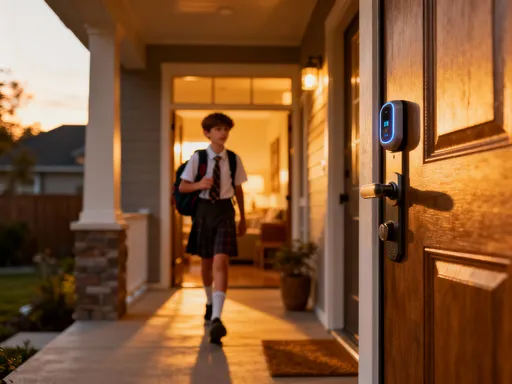
Next came a smart doorbell. Not for surveillance. For peace of mind. My mom lives in a quiet neighborhood, but she worries about packages or strangers at the door. We installed a simple one with motion alerts and two-way talk. Now, if she’s not feeling well or doesn’t want to answer, she can see who’s there and speak through her phone. I can check the feed if she misses a call. It’s not about spying—it’s about support. And when her friend dropped off soup during a cold spell, she waved through the camera and said, “I saw you coming—I already opened the gate!” It made her feel safe, not watched.
Then we added voice-assisted calling. My mom has an Echo Dot in her kitchen. She uses it to call me by saying, “Alexa, call my daughter.” No fumbling with her phone. No scrolling through contacts. Just her voice. On mornings when her hands ache from arthritis, this small thing makes a big difference. We tested each tool for ease, privacy, and real usefulness. If it caused stress or confusion, it didn’t stay. One app we tried sent too many alerts—constant pings about door openings and motion. It felt noisy, overwhelming. We turned it off. Not every tech tool earns its place. The ones that stay are the ones that feel like helpers, not demands.
Creating Routines, Not Rules
Here’s what I’ve learned: technology works best when it feels natural, not forced. I used to set reminders and alarms—“Call Mom at 7 p.m.”—but life got busy, and I’d miss them. Then I tried something different. I created a ritual. Every Sunday evening, a shared playlist called “Family Wind-Down” starts playing on our smart speakers. It’s got soft songs—old favorites, gentle tunes. When I hear it, I know it’s time to call. My brother does too. Sometimes Mom starts singing along before she even picks up. It’s not a rule. It’s a rhythm.
Rituals like this make connection automatic, not stressful. We don’t rely on alerts or guilt. We rely on shared moments. I also set up a weekly family photo share—just one picture each, sent to a private group. A sunset, a meal, a grandchild’s drawing. No pressure. No performance. Just presence. These small, joyful habits keep us close, even when we’re far apart. And when someone doesn’t send a photo? That’s our quiet signal to check in. Not because we’re worried—they might just be busy—but because we care.
Technology is only as good as the humanity behind it. The tools don’t replace love. They amplify it. A calendar reminder doesn’t hug your mom. But it might remind you to call, and that call might be the one where she says, “I’ve been feeling tired lately,” and you can help her make a doctor’s appointment. That’s the real win—not the tech, but what it makes possible.
Handling Pushback with Patience
Not everyone was on board at first. My mom called the location sharing “spying.” My brother said the doorbell was “overkill.” My aunt worried the calendar was “too much information.” I’ll admit—I got frustrated. I thought, “Don’t you see how this helps?” But then I stopped and asked myself: am I offering support, or am I trying to take control? That question changed everything.
I started listening more. I asked, “What worries you about this?” Mom said she didn’t want to feel like she was being watched. So we agreed—location sharing only when traveling or after dark. My brother didn’t want constant alerts, so we turned off notifications and only check in when someone’s off the grid for a while. My aunt didn’t want to see everyone’s plans, so we created a simplified view just for her. Compromise wasn’t failure. It was respect.
I also shared my own fears. I told them about that 2:17 a.m. call, how helpless I felt, how I never want to be that scared again. That moment of honesty opened the door. They weren’t resisting the tech—they were resisting the feeling of being managed. Once they saw this wasn’t about control, but about care, they started to soften. My brother even suggested adding a weather alert for Mom’s town. “If a storm’s coming,” he said, “we should know.” That was the moment I knew we were building something real—not because of the tools, but because of the trust.
Peace of Mind Isn’t Perfect—It’s Possible
Our system isn’t flawless. Phones die. Wi-Fi goes out. Sometimes someone forgets to share their location or misses a check-in. And that’s okay. Because now, when things go wrong, we recover faster. We have a rhythm. We have a way back to connection. We don’t panic. We reach out. We care.
Peace of mind isn’t about total control. It’s not about eliminating every risk. That’s impossible. Real peace of mind is knowing that if something happens, we’re not alone. We have simple tools in place. We have routines that keep us close. We have love that shows up in quiet ways—a shared calendar, a voice call, a photo in a group chat.
What I’ve built isn’t a high-tech fortress. It’s a web of small, thoughtful choices that help us care for each other across distance and time. It’s not perfect. But it’s working. And for the first time in years, I can go to sleep without wondering, “Is Mom okay?” I know we’re connected. I know we’re looking out for each other. And that—more than any gadget—makes all the difference.