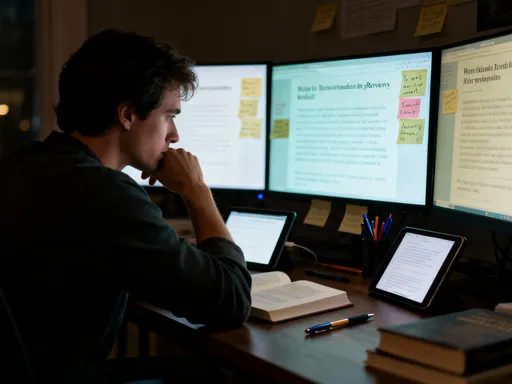
Beyond Browsing: How Tracking Reviews Quietly Transformed My Learning Habits
Ever feel like you’re scrolling endlessly through product reviews, only to end up more confused? I used to. But over time, something unexpected happened—those same review habits started sharpening how I learn. Not through sudden breakthroughs, but through small, consistent shifts in focus and decision-making. This is the quiet story of how staying curious about what others think didn’t just change my shopping—it reshaped how I absorb knowledge every day. What began as a way to avoid buying the wrong kitchen gadget quietly turned into a personal toolkit for smarter thinking, deeper understanding, and more intentional learning. And if you’ve ever paused before clicking ‘Add to Cart,’ wondering who to trust, you might already be closer to a better learning rhythm than you think.
The Moment I Realized Reviews Were Teaching Me More Than Products
I didn’t start reading reviews to become a better learner. I started because I was tired of regret. Remember that blender I mentioned? The one with the sleek design and glowing five-star ratings? I bought it, used it twice, and then it sputtered to a stop, leaving behind a tangled mess of broken promises and overpriced smoothie ingredients. I was frustrated, yes—but more than that, I was curious. How did so many people love it? Was I doing something wrong? Or were their experiences just… different?
That question led me down a rabbit hole. I began reading not just the top reviews, but the critical ones, the detailed ones, the ones written months after purchase. I looked for patterns. Did multiple people mention the motor overheating? Did others praise the ease of cleaning but warn about durability? Slowly, I started noticing something strange: I wasn’t just learning about blenders. I was learning how to think. I was comparing sources, questioning extremes, and weighing trade-offs. And then it hit me—I was doing the exact same thing when I picked my next online course. Instead of just looking at the course title and instructor photo, I was digging into student feedback, asking, ‘Who benefited most? What did people struggle with? Did the course deliver what it promised?’
This wasn’t a formal study method. There were no flashcards or study schedules. But I had developed a quiet habit of inquiry. I wasn’t passively accepting information—I was interrogating it. And that shift, subtle as it was, changed everything. It meant I could walk into a new learning experience with eyes open, ready to spot gaps, biases, and blind spots. The skills I built while avoiding a bad purchase became the foundation for smarter, more self-aware learning. Isn’t it funny how life teaches us in the least expected ways?
From Consumer to Curator: Building a Filter for Information Overload
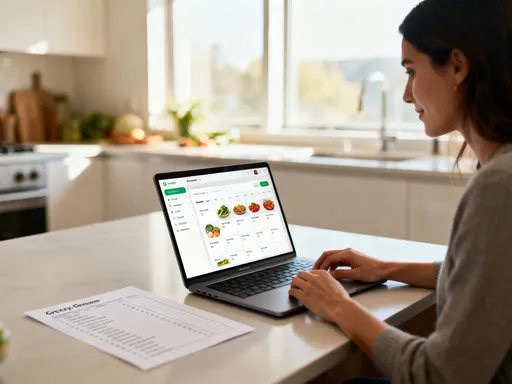
We’ve all been there—staring at a screen, paralyzed by choice. Ten different yoga mats. Fifteen online parenting workshops. Twenty-seven productivity apps. The internet gives us access to everything, but that doesn’t mean we can process it all. I used to feel overwhelmed, clicking from one option to the next, hoping something would just feel right. But feelings fade. What I needed was a filter—a way to cut through the noise and find what actually mattered.
That’s when I realized: reading reviews had given me one. I stopped asking, ‘Which one should I pick?’ and started asking, ‘Why are people choosing this?’ That small shift changed everything. I began treating every piece of content like a product under review. A new podcast? I listened like a reviewer—what was the host’s tone? Did the episodes deliver on their promises? A cooking class? I asked, ‘Are the steps clear? Do students finish feeling confident?’ I even started applying this to books. Instead of just reading, I’d pause and ask, ‘Is this helping me? Or am I just turning pages because I feel I should?’
This mindset didn’t make decisions faster—but it made them better. I became more aware of emotional manipulation in marketing, like when a course promised ‘life-changing results in 7 days’ but had vague testimonials. I learned to spot when enthusiasm outweighed evidence. At the same time, I grew more patient with nuance. Not every review had to agree for something to be valuable. In fact, the most helpful feedback often came from people who said, ‘It wasn’t perfect, but here’s what worked for me.’ That kind of honesty became my gold standard—not perfection, but transparency.
Over time, this filter didn’t just help me shop smarter. It helped me learn with more focus. I stopped jumping from one tutorial to the next, chasing novelty. Instead, I’d spend time evaluating whether a resource truly matched my goals. That meant fewer distractions, less mental clutter, and more meaningful progress. I wasn’t consuming information anymore—I was curating it. And that made all the difference.
Learning by Proxy: How Others’ Experiences Became My Shortcut
There’s a review I’ll never forget. It was for a slow cooker—nothing fancy, just a mid-range model. The reviewer wrote, ‘It worked great for three months. Then the lid stopped sealing. I contacted customer service, and they never replied.’ That review stuck with me not because it was angry, but because it was honest. It didn’t just tell me about the product—it told me about trust, expectations, and the quiet frustration of things falling apart when you least expect it.
And here’s the surprising part: that same review taught me something about my own learning journey. Because just like that slow cooker, progress isn’t always linear. Sometimes things work beautifully at first, and then, out of nowhere, you hit a wall. Maybe it’s a new language app that feels fun at first but stops challenging you. Or a fitness routine that energizes you for weeks, then leaves you sore and unmotivated. When that happens, it’s easy to blame yourself. But reading reviews taught me to look beyond blame. Instead of thinking, ‘I’m not good at this,’ I started asking, ‘Was the tool right for me? Did it have limitations I didn’t see at first?’
Real people’s stories—especially the ones that didn’t end perfectly—became my shortcut to resilience. I learned to anticipate common pitfalls. If multiple reviewers said a knitting pattern was confusing at row 23, I’d slow down when I reached that part. If several parents said a homeschooling app lost their child’s attention after 15 minutes, I’d plan shorter sessions. These weren’t just shopping tips—they were life strategies. They taught me to prepare, adapt, and adjust without shame.
Empathy became a learning superpower. When I read about someone struggling with a recipe, I didn’t just see a complaint—I saw a mirror. Their frustration helped me recognize my own. Their solutions gave me ideas. And their honesty reminded me that failure isn’t the end—it’s data. Over time, I stopped fearing mistakes. Instead, I started expecting them, planning for them, and learning from them. That shift didn’t come from a motivational speech or a self-help book. It came from scrolling through reviews, one honest story at a time.
Slowing Down to Speed Up: The Surprising Power of Patient Research
I used to be impulsive. A pop-up ad for a ‘limited-time’ online course? Click. A friend’s enthusiastic recommendation? Sold. I wanted to learn, yes—but I also wanted to feel like I was doing something. The problem was, action without reflection often led to wasted time and energy. I’d sign up for a class, watch the first two videos, and then lose interest. Or I’d buy a planner that looked beautiful but didn’t fit my routine. The cycle repeated: excitement, effort, disappointment.
Then I started applying my review-reading discipline to learning choices. Instead of rushing in, I paused. I asked questions. Who created this course? Have they taught before? What do real users say about finishing it? I looked for long-term feedback, not just first impressions. I compared multiple options, even if it took days. And I waited—sometimes weeks—until I felt clear. It felt slow. But here’s the surprise: that patience actually made me faster in the long run.
Because when I finally chose something, I stuck with it. I wasn’t distracted by the next shiny option because I had already done the work. I knew why this choice was right for me. That confidence kept me going when motivation faded. I also became better at matching tools to goals. A course with great production value but no community support? Probably not for me, since I learn best with encouragement. A budgeting app that looked simple but had no export feature? Not worth my time, even if it was free.
This habit of patient research didn’t just save me money—it saved me energy. I stopped chasing trends and started building skills. I learned to trust my own process, not just the loudest voice online. And that made all the difference. I wasn’t learning more hours—I was learning more meaningfully. The irony? By slowing down at the start, I actually moved forward faster. Patience, it turns out, isn’t the opposite of progress. It’s the foundation.
Turning Doubt into Strategy: Using Skepticism to Fuel Deeper Understanding
Let’s be honest—some reviews feel too good to be true. ‘This changed my life!’ ‘Best purchase ever!’ ‘I can’t imagine living without it!’ At first, I believed them. But then I noticed a pattern: the most enthusiastic reviews often said the least. They were emotional, yes, but vague. No details. No struggles. No real explanation of how it helped. And that made me pause.
I started asking questions. Who wrote this? Are they a real user? Could this be a friend of the brand? I learned to spot red flags—like reviews posted all on the same day, or ones that used the same unusual phrases. I didn’t become cynical, but I did become cautious. And that caution? It became one of my most valuable learning tools.
Because the truth is, not all educational content is created equal. Some courses are oversold. Some experts exaggerate their results. Some books promise transformation but offer little substance. Without skepticism, it’s easy to fall for the hype. But because I’d trained myself to question glowing reviews, I could do the same with learning materials. I’d read a course description and ask, ‘What’s missing? What aren’t they telling me?’ I’d watch a free preview and think, ‘Is this teaching, or just entertaining?’
This kind of thinking didn’t make learning harder—it made it richer. I stopped accepting claims at face value. Instead, I looked for evidence. Did the instructor share real student results? Were the lessons structured in a way that built skills step by step? Could I see myself using this in real life? Skepticism didn’t shut me down—it opened me up to deeper understanding. It helped me separate noise from value, marketing from meaning. And in a world full of digital promises, that ability is priceless.
The Feedback Loop: How Recording My Own Experiences Deepened Retention
There was a time when I thought my job ended after reading reviews. My role was to consume, decide, and move on. But then I tried something new: I wrote my own. It started small. ‘The vacuum lost suction after two months.’ ‘The recipe was easy, but needed more seasoning.’ Nothing fancy. But the act of writing it—of putting my thoughts into words—did something unexpected. It made me remember.
I realized that reviewing wasn’t just about helping others. It was about helping myself. When I described what worked and what didn’t, I had to think more clearly. I had to organize my thoughts, identify patterns, and explain why I felt a certain way. That process turned a passing experience into lasting insight. And I began to wonder—what if I did this with learning, too?
So I started. After finishing a course, I’d write a few paragraphs: What did I enjoy? What was confusing? Would I recommend it? When I learned a new recipe, I’d jot down notes: ‘Doubled the garlic—better flavor.’ ‘Next time, less salt.’ These small reflections did more than improve my cooking or my choices—they deepened my understanding. Because to explain something, you have to truly get it.
This practice transformed my relationship with knowledge. I stopped seeing learning as something that happened to me and started seeing it as something I actively shaped. Writing my own ‘reviews’ of experiences—whether a book, a workshop, or a new habit—helped me retain more, apply better, and grow with intention. It turned surface-level exposure into real mastery. And the best part? It took just a few minutes. You don’t need a blog or a big audience. You just need honesty and a willingness to reflect. Try it. Your future self will thank you.
This Isn’t About Gadgets—It’s About Growing Up with Technology
Looking back, I realize I was never really searching for the perfect blender, planner, or app. I was searching for a way to feel more in control. To make better choices. To grow without feeling overwhelmed. And along the way, I discovered that the tools we use every day—like reading reviews—can quietly shape our minds in powerful ways.
This journey wasn’t about technology replacing learning. It was about technology enhancing it. By approaching digital habits with curiosity and intention, I turned a routine task into a mindset. One that values patience over speed, reflection over reaction, and real experience over empty promises. I became a more thoughtful learner—not because I studied more, but because I learned how to learn.
And if you’re someone who’s ever paused to read the fine print, who’s questioned a too-perfect review, or who’s taken a moment to reflect on what really worked for you—you’re already on this path. You don’t need a fancy course or a high-tech gadget to grow. You just need to pay attention to how you use what’s already in your hands.
Because the truth is, we’re not just using technology. We’re being shaped by it. And when we bring awareness to our daily digital choices, we don’t just become smarter consumers. We become wiser, more resilient learners. We grow not in leaps, but in quiet, consistent steps. And that kind of growth? It lasts.