More than parking: How a simple app helped me sleep deeper and think clearer
Ever lie awake, stressed about where to park before an early meeting—or worse, your kid’s school drop-off? I did. Night after night, small worries piled up, disrupting my sleep and focus. Then I found a parking app that did more than just locate spots—it gave me back mental calm. This isn’t just about convenience; it’s about how one small tech tool quietly improved my sleep, sharpened my thinking, and brought peace to my daily rhythm. It sounds almost too simple to believe, doesn’t it? But sometimes, the quietest changes make the loudest difference in our lives.
The Nighttime Anxiety I Didn’t Know Was About Parking
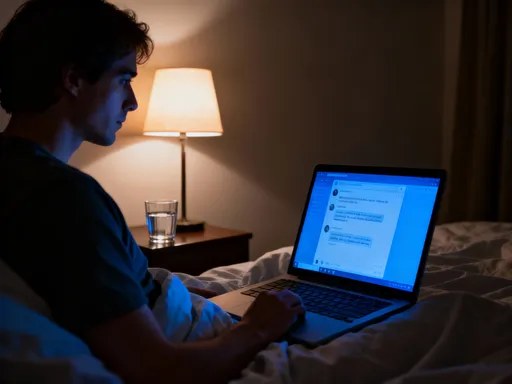
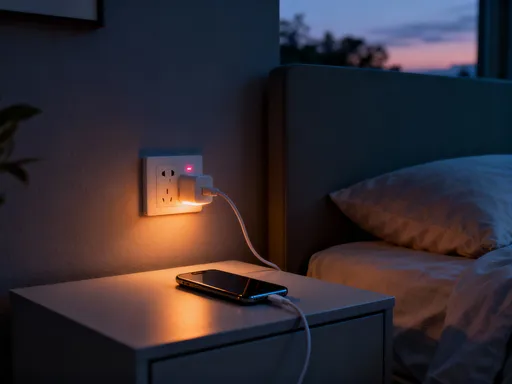
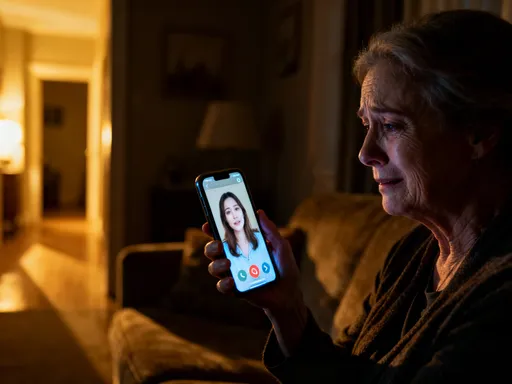
For months, I thought my sleep troubles were tied to work stress or too much screen time before bed. I’d toss and turn, replaying conversations or worrying about tomorrow’s to-do list. But then one evening, after a perfectly ordinary day, I had a realization: my brain wasn’t just racing about deadlines—it was stuck on logistics. Specifically, where I’d park the next morning when I dropped my daughter at her new after-school program across town.
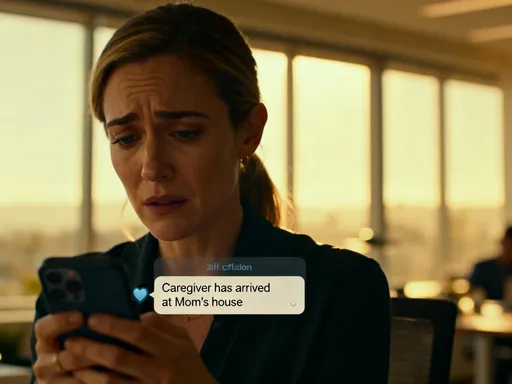
I kept imagining myself circling the block, late, frustrated, with her backpack bouncing on her shoulder and her voice asking, ‘Mom, are we almost there?’ I’d arrive flustered, kiss her goodbye with a forced smile, and carry that tension into my own day. And that stress? It didn’t stay in the morning. It lingered, creeping into my evenings like a shadow I couldn’t shake. I didn’t connect the dots at first, but once I did, it made so much sense. That low hum of anxiety—the kind that doesn’t scream but whispers—was coming from a place I’d never expected: the fear of not finding a parking spot.
It wasn’t just about being late. It was about losing control, even for a few minutes. As women, especially those of us juggling family, work, and personal goals, we carry what psychologists call ‘invisible labor’—the mental load of planning, anticipating, and preventing problems before they happen. And parking? It was one of those tiny, recurring tasks that lived in that mental load. I wasn’t just thinking about where to park. I was thinking about time, safety, my child’s mood, my own punctuality, and how one small delay could unravel everything. No wonder I couldn’t relax at night.
How a Parking Spot Finder Became My Unexpected Sleep Aid
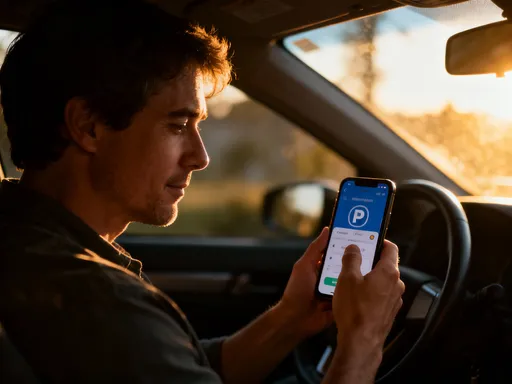
Then, on a friend’s recommendation, I downloaded a parking app—nothing flashy, just one that showed real-time availability, pricing, and even photos of the spots in certain areas. I used it for the first time before a weekend event downtown. I reserved a spot near the venue the night before, got a confirmation, and just like that—my worry vanished. No circling. No guessing. No last-minute panic.
But here’s what surprised me: the relief didn’t end when I parked. It stayed with me. That night, I fell asleep faster than I had in weeks. And the next morning, I felt clearer, lighter, like someone had turned down the volume on my brain. I realized something powerful: by removing that one small uncertainty, I’d reduced my decision fatigue. I hadn’t just saved time—I’d saved mental energy.
Decision fatigue is real. Every choice we make, even tiny ones, drains a little bit of our focus and self-control. When you’re a mom, a partner, a professional, or all three, those tiny choices add up—what to cook, what to wear, which route to take, where to park. The app didn’t eliminate all of that, but it took one item off the list. And in doing so, it gave me space to breathe. I wasn’t just sleeping better because I was less stressed about parking—I was sleeping better because my mind finally had permission to rest.
The Link Between Daily Friction and Mental Clarity
Science tells us that it’s not the big crises that wear us down—it’s the small, repeated hassles. A traffic jam here, a missed appointment there, a grocery store out of your go-to brand. These micro-stresses may seem minor, but over time, they chip away at our emotional resilience and cognitive performance. Studies have shown that chronic low-level stress can impair memory, reduce focus, and even affect our ability to regulate emotions.
When I started using the parking app regularly, I noticed a shift that went far beyond convenience. I was thinking more clearly during meetings. I remembered details I used to forget. I was more patient with my kids, more present with my partner. It wasn’t because I’d suddenly become superhuman—it was because my brain wasn’t working overtime managing background noise.
Think of your mind like a computer. When too many programs are running in the background, even if you can’t see them, your system slows down. Closing just one of those tabs—like the ‘Where will I park?’ tab—can make everything else run smoother. That’s what this app did for me. It didn’t add to my mental load; it subtracted from it. And in that space, clarity emerged. I wasn’t just functioning—I was thriving.
What’s beautiful is that this kind of tech doesn’t demand attention. It doesn’t ping you with notifications or pull you into endless scrolling. It works quietly, in the background, like a good helper. And that’s the kind of technology I want in my life—one that serves me, not the other way around.
Turning Anxiety into Anticipation: A Calmer Morning Routine
Before the app, my mornings were a race against the clock. I’d wake up already tense, mentally mapping out routes, checking traffic, and hoping—just hoping—I’d find a spot near school. If I didn’t, it set the tone for the whole day. I’d be short-tempered, distracted, and drained before 9 a.m.
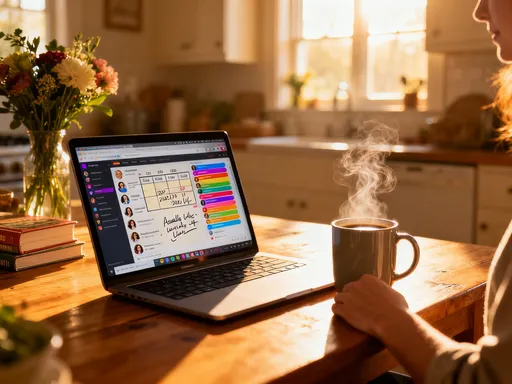
Now, I plan my parking the night before. I open the app while folding laundry or sipping my evening tea. I reserve a spot, save the details, and close the app. That’s it. The next morning, I wake up with a sense of calm I didn’t know was possible. I’m not bracing for a battle—I’m preparing for a day.
My daughter notices the difference too. ‘You’re in a good mood today,’ she said last week as I helped her with her hair. ‘You’re not rushing.’ And she was right. Because I wasn’t. I had time to make her favorite toast, to hear about her dream from the night before, to laugh at her silly jokes. That connection—that presence—is priceless. And it started with something as simple as knowing where I’d park.
It’s amazing how one small win can ripple through your entire day. When you start with confidence instead of chaos, everything feels more manageable. You’re not just surviving—you’re showing up. And isn’t that what we all want? To be fully here, for our families, for ourselves?
Teaching My Teen to Use the App—And Build Better Habits
When my son got his driver’s license, I’ll admit—I was nervous. Not just about safety, but about the stress of navigating new places alone. The first time he had to drive to a friend’s house across town, he stood in the kitchen, staring at his phone, clearly anxious. ‘What if I can’t find parking?’ he asked. ‘What if I’m late?’
That’s when I showed him the app. I walked him through how to check availability, compare prices, and even pre-book a spot. We practiced together, planning his route and parking for a weekend outing. When the day came, he texted me: ‘Found it. Parked. No stress.’
That moment meant more than convenience—it meant confidence. He wasn’t just learning to drive; he was learning to manage real-life challenges with tools that support him. And as a parent, that’s everything. I wasn’t just giving him an app—I was giving him a strategy for handling uncertainty. That’s the kind of independence we want for our kids: not just freedom to go places, but the peace of mind that comes with being prepared.
Now, he uses the app on his own. He’s even recommended it to his friends. And every time he does, I feel a quiet pride. Because this isn’t just about parking—it’s about raising resilient, resourceful adults who know how to use technology to make life easier, not harder.
Beyond Parking: Designing a Life with Less Hidden Stress
Once I saw how much one small app improved my mental well-being, I started looking at other areas of my life where tiny frictions were stealing my peace. What else could I simplify? What other invisible burdens could I lift?
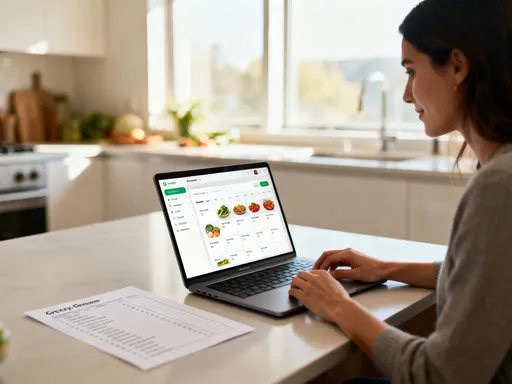
I explored tools that helped with meal planning, grocery delivery, and even home maintenance reminders. None of them were revolutionary on their own, but together, they created a life that felt lighter, more intentional. I wasn’t chasing efficiency for the sake of being busy—I was reclaiming time and energy for what truly mattered: my family, my health, my joy.
The key, I’ve learned, is choosing technology that removes friction, not adds complexity. It’s not about having the latest gadget or downloading every app out there. It’s about being selective—asking, ‘Does this make my life easier? Does it give me back time or peace?’ If the answer is no, I skip it.
For example, I use a commute planner that syncs with traffic data and suggests the best time to leave. I have a grocery app that remembers my list and lets me schedule delivery for when I know I’ll be home. These tools don’t take over my life—they support it. And that’s the difference between feeling overwhelmed by tech and feeling empowered by it.
Tech That Serves You, Not the Other Way Around
We live in a world full of noise—notifications, alerts, endless streams of information. It’s easy to feel like technology is running our lives instead of helping us live them. But my experience with the parking app reminded me of something important: the best technology doesn’t demand your attention. It gives you back your time, your calm, your clarity.
It’s not about being ‘tech-savvy’ or keeping up with every trend. It’s about being thoughtful. It’s about asking, ‘What small stress in my day could be eased with a simple tool?’ Maybe it’s remembering appointments, tracking family schedules, or even just knowing where you’ll park.
I encourage you to take a moment and reflect. What’s that one thing—the small, daily hassle—that quietly drains your energy? Could there be an app, a tool, or a system that helps? It might seem insignificant, but don’t underestimate the power of a little relief. Because when you remove one source of stress, you’re not just making life easier—you’re making space for better sleep, sharper thinking, deeper connections, and more joy.
Technology, at its best, isn’t cold or impersonal. It’s a quiet ally, working behind the scenes so you can show up as your best self. And sometimes, the smallest tools make the biggest difference. So go ahead—find your parking app. Whatever it is for you, let it be the start of a calmer, clearer, more peaceful life.